
Latest Blog
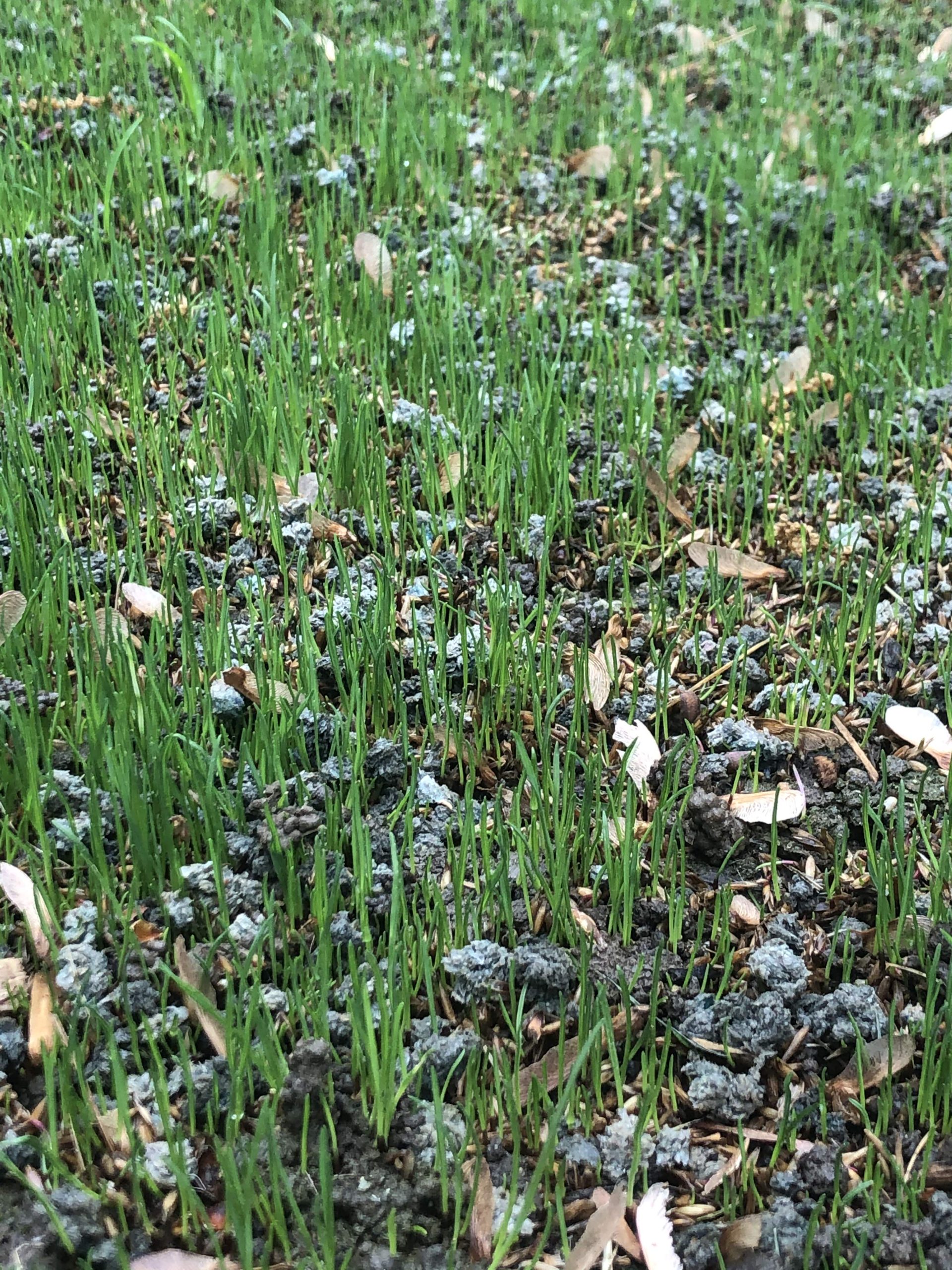
Kentucky Bluegrass Seed: Rates, Timing & Best Blends
Kentucky bluegrass seed is slow to sprout but spreads to repair itself. Seeding rates, New England timing, tall fescue blends and the varieties to buy.

Creeping Lawn Weeds: How to Identify and Kill Them
Creeping lawn weeds like ground ivy, violet, clover and spurge root as they spread. Identify yours, pick the right herbicide and time it for fall.

Tall Fescue vs Kentucky Bluegrass: Which Grass to Choose
Tall fescue vs Kentucky bluegrass compared: drought, shade, wear, self-repair, how to tell them apart, safe mixing ratios and seeding rates for your lawn.
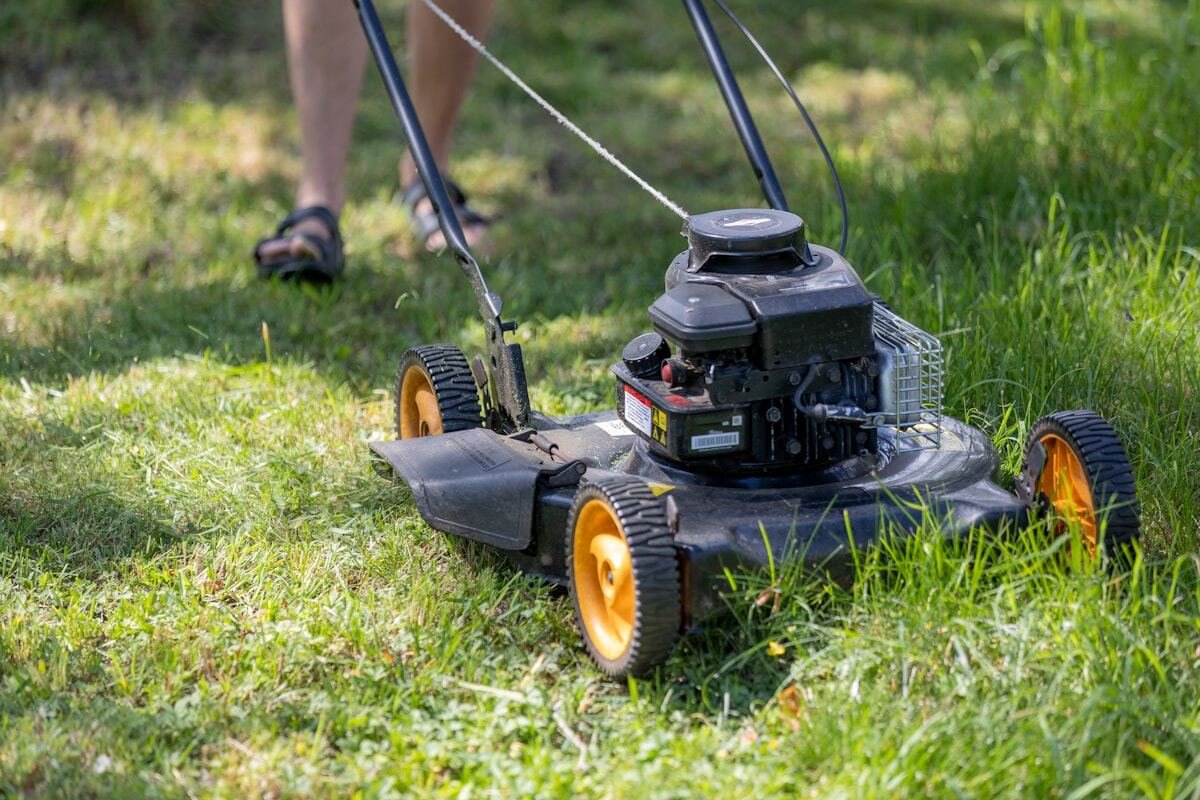
Grass Clippings: Leave Them or Bag Them? (Lawn Guide)
Lawn grass clippings: when to leave them, when to bag them, how much nitrogen they return, and why herbicide-treated clippings stay out of compost.
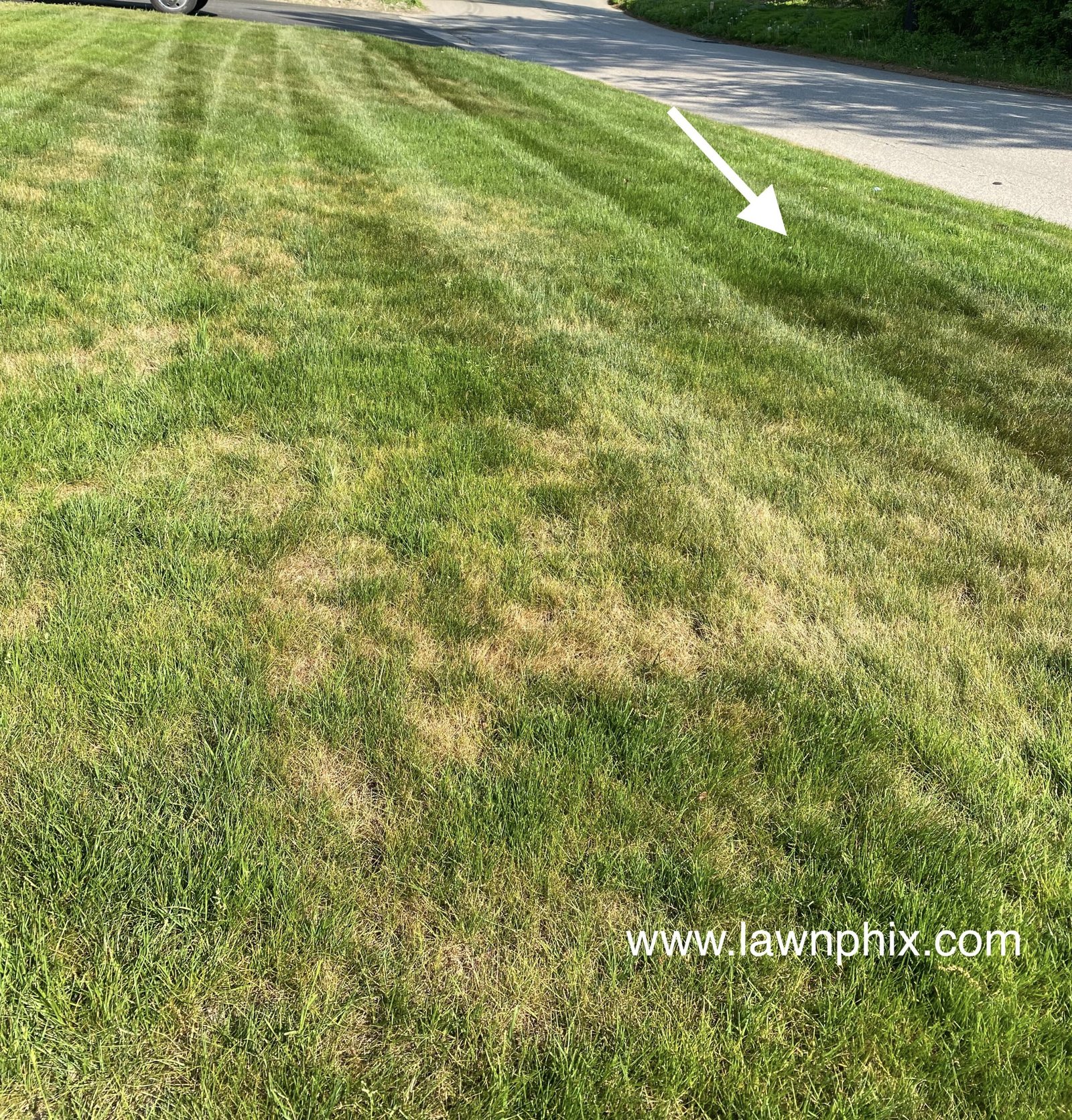
Drought Tolerant Grass: Best Picks for Northeast Lawns
Drought tolerant grass for Northeast lawns: tall fescue vs bluegrass vs fine fescue, how drought dormancy works, and what not to do on a brown lawn.
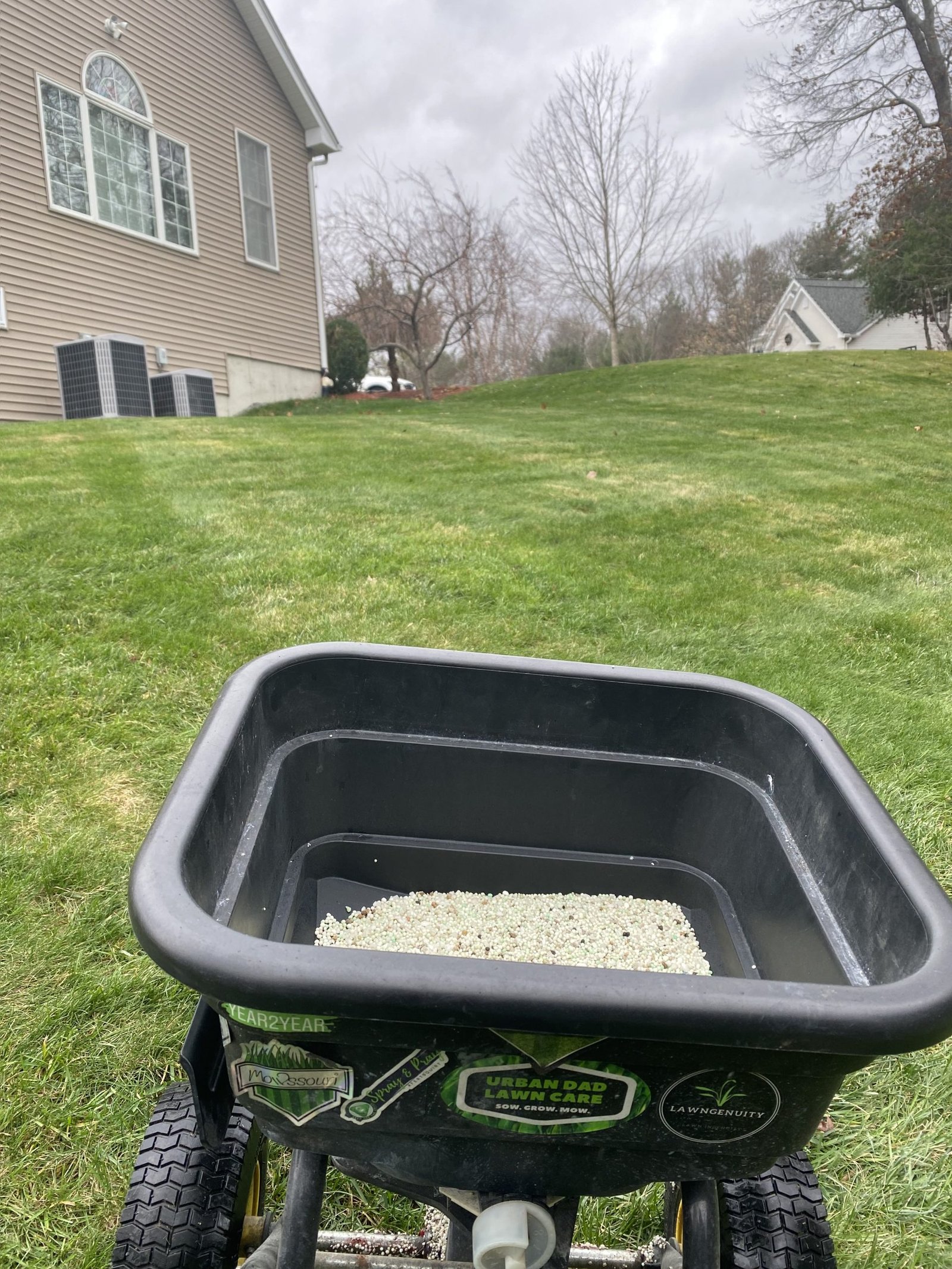
Slow Release Lawn Fertilizer: Types, Labels & Timing
Slow release lawn fertilizer explained: coated vs organic nitrogen, how to read WIN on the label, and UMass-backed rates and timing for cool-season lawns.

Lawn Diseases: Identify Lawn Fungus by Symptom & Season
Lawn diseases by symptom: match spots, rings and patches to the likely fungus and season, then follow our treatment guide for each lawn disease.
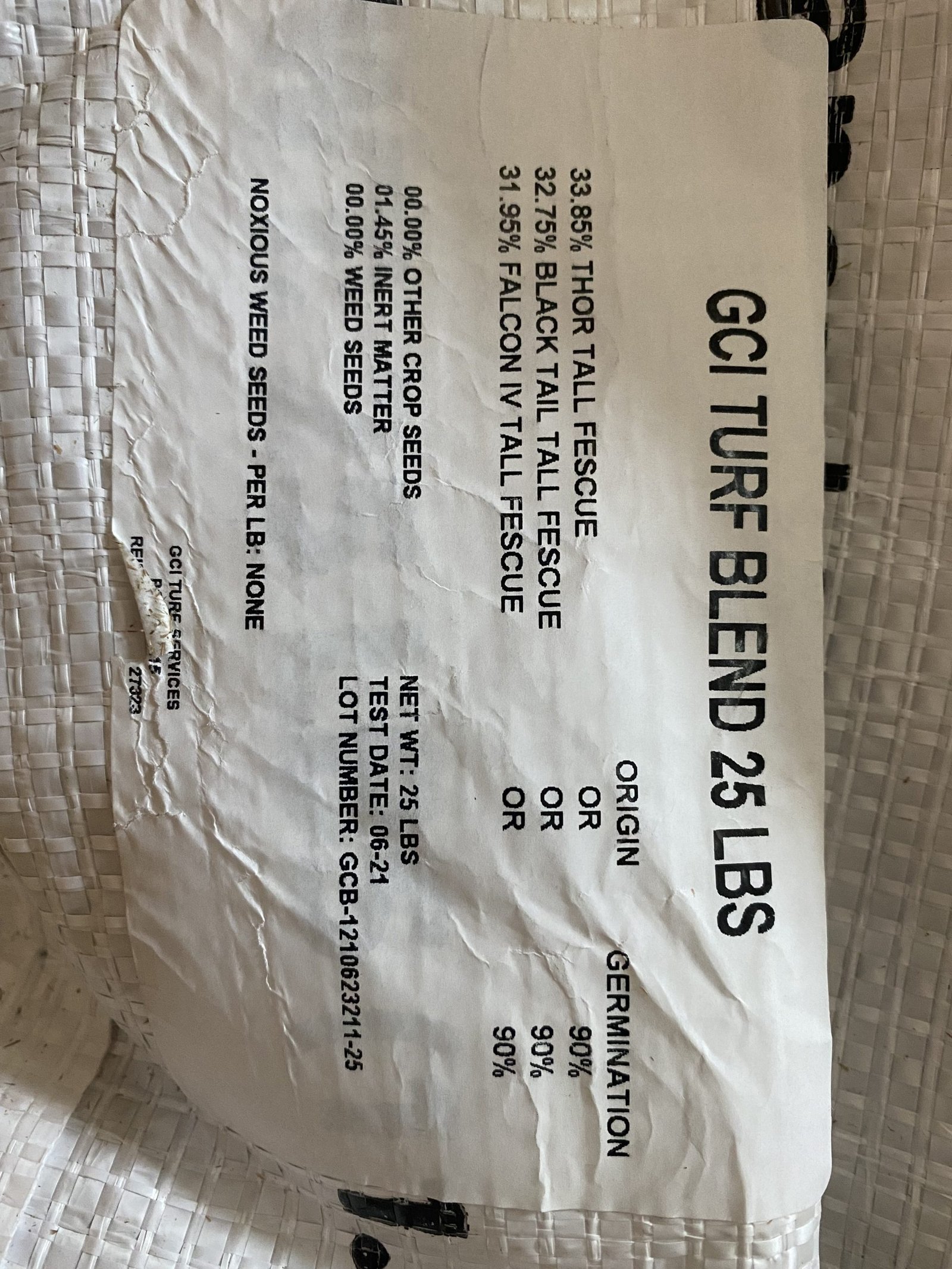
Cool Season Grass Seed: How to Pick & Buy the Right Bag
Cool season grass seed buying guide for Northeast lawns: the right blend for sun, shade or traffic, how to read the seed label, and how much to buy.

Liquid Lawn Fertilizer: When to Use It and How to Apply
Liquid lawn fertilizer vs granular: spoon-feeding rates per 1,000 sq ft, hose-end vs backpack sprayers, burn risk and Northeast phosphorus rules.