
Both Poa annua (annual bluegrass) and Poa trivialis (rough bluegrass) are undesirable weeds in lawns. They share similarities like light green color and boat-shaped leaves but differ in their growth and control methods. Poa annua is an annual grass that spreads by seed, whereas Poa trivialis is a perennial that spreads by stolons. Controlling these weeds requires different approaches due to their distinct growth habits and environmental preferences.
Key Takeaways
- Poa annua (annual bluegrass) dies each summer but leaves behind thousands of seeds that germinate in fall — pre- and post-emergent herbicides are your primary control tools.
- Poa trivialis (rough bluegrass) is a perennial that doesn’t die off — it goes dormant in summer heat, leaving brown patches that are often mistaken for disease or drought stress.
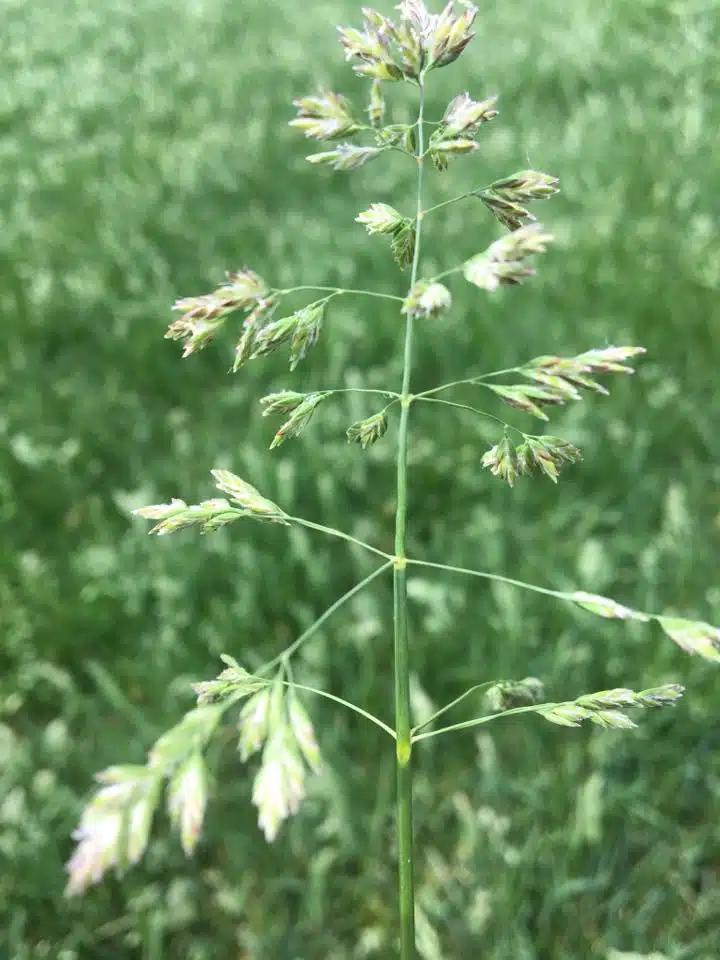
- The easiest way to tell them apart: Poa annua produces prolific seedheads in May and June; Poa trivialis rarely produces seedheads and spreads through above-ground stolons instead.
- Selective herbicides are largely ineffective against Poa trivialis — non-selective herbicides like glyphosate, or multiple applications of Tenacity to weaken it, are the realistic options.
- Both weeds exploit the same vulnerabilities: thin turf, overwatering, and bare spots — a dense, healthy lawn is the best long-term defense against either one.
Table of Contents
Poa Annua vs Poa Trivialis
Seedhead Production
- Poa annua: Produces prolific seedheads, especially noticeable in May and June.
- Poa trivialis: Rarely produces seedheads when mowed, spreading primarily via creeping stolons.
Growth Pattern
- Poa annua: Annual bluegrass, spreading by seeds that can remain dormant in soil for years.
- Poa trivialis: Perennial grass, spreading through above-ground stolons.
Preferred Environment
- Poa annua: Thrives in full sun, often dying in the summer heat but reseeding in the fall.
- Poa trivialis: Prefers shaded areas, forming dense mats that can outcompete desirable grasses.
What Is Poa Trivialis?
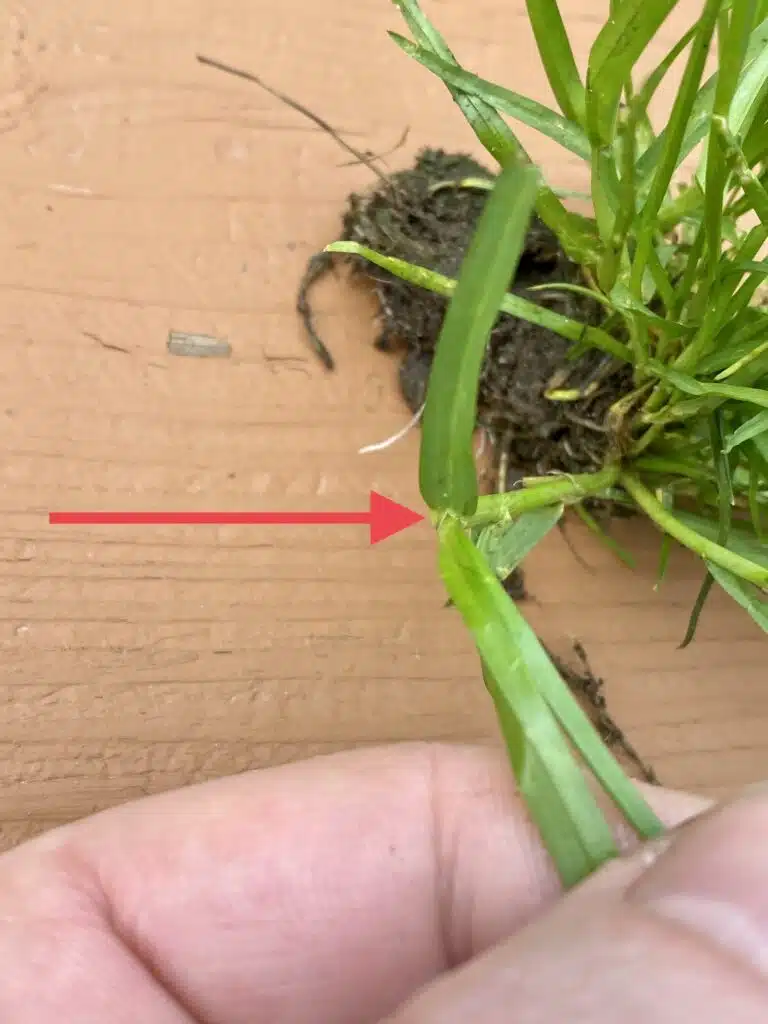
Poa trivialis is a perennial plant, so it doesn’t die yearly like annual bluegrass. Poa trivialis, known more commonly as rough bluegrass, goes dormant during the winter. Rough bluegrass spreads via its stolons rather than by seed, unlike annual bluegrass. It forms dense mats of grass stems that can choke out the growth of your desirable grass, like perennial ryegrass or tall fescue. Also light green in color, Poa trivialis tends to thrive in shaded areas of lawns.
It can be difficult to kill Poa trivialis because gardeners mainly have to rely on non-selective herbicides, but these chemicals can also kill grass and other nearby plants. Unfortunately, the best way to kill Poa trivialis is using a non-selective herbicide, as selective pre-emergent and post-emergent herbicides are mainly ineffective in controlling rough bluegrass.


What Is Poa Trivialis?
Poa trivialis is a perennial plant, so it doesn’t die yearly like annual bluegrass. Poa trivialis, known more commonly as rough bluegrass, goes dormant during the winter. Rough bluegrass spreads via its stolons rather than by seed, unlike annual bluegrass. It forms dense mats of grass stems that can choke out the growth of your desirable grass, like perennial ryegrass or tall fescue. Also light green in color, Poa trivialis tends to thrive in shaded areas of lawns.
It can be difficult to kill Poa trivialis because gardeners mainly have to rely on non-selective herbicides, but these chemicals can also kill grass and other nearby plants. Unfortunately, the best way to kill Poa trivialis is using a non-selective herbicide, as selective pre-emergent and post-emergent herbicides are mainly ineffective in controlling rough bluegrass.

How can I identify Poa trivialis?
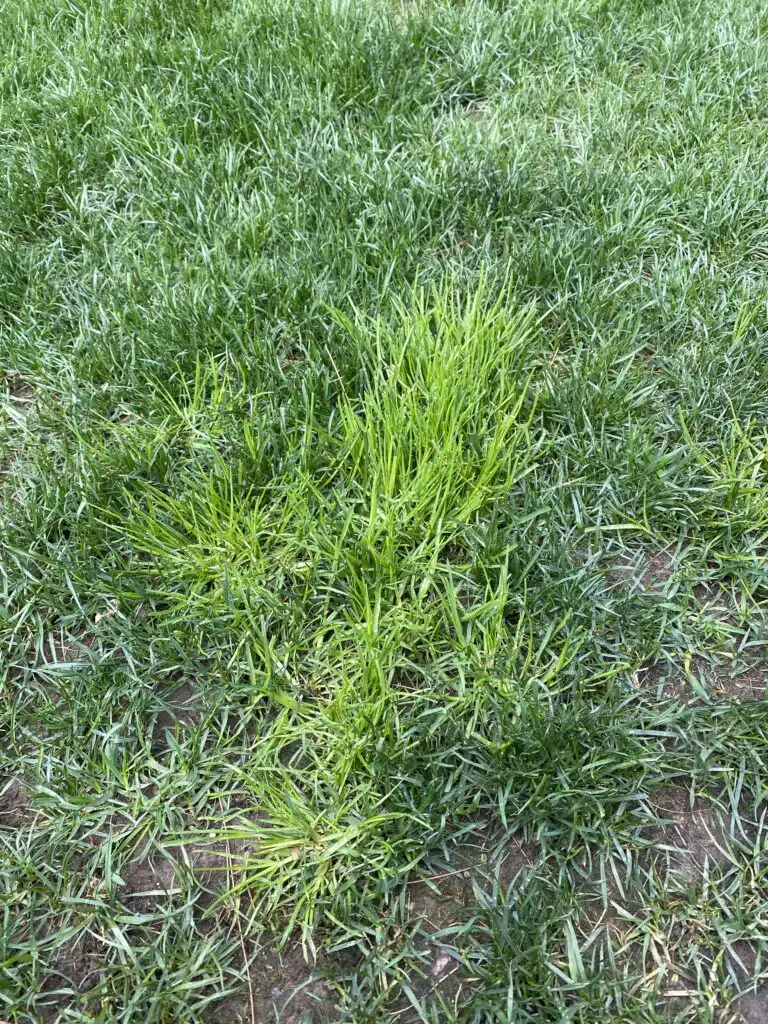
Poa trivialis, known as rough bluegrass, is light green, spreads via stolons, and can develop a reddish hue. It stands out in late summer when it turns brown, often resembling a fungal infection.
Does Tenacity work on Poa trivialis?
While Tenacity can weaken Poa trivialis, it is not labeled for complete control. However, multiple spring applications with a non-ionic surfactant can bleach and stress the plant meaningfully, making it a useful part of a broader control strategy even if it won’t eliminate it outright. Non-selective herbicides are often required.
What causes Poa trivialis?
Poa trivialis thrives in shaded, moist areas and can invade even healthy lawns. Overwatering and bare spots increase the risk of infestation. Contaminated seed mixes are a common entry point.
Can I use a pre-emergent to control Poa annua?
Yes — pre-emergent herbicides are one of the most effective tools against Poa annua. Apply in late summer or early fall before soil temperatures drop below 70°F, which is when annual bluegrass seeds begin to germinate. Prodiamine and dithiopyr are both solid options. Keep in mind that if you’re overseeding in fall, pre-emergent timing becomes a balancing act — the herbicide will also suppress your desirable grass seed.
Which is harder to get rid of — Poa annua or Poa trivialis?
Poa trivialis, without question. Poa annua is an annual, so a consistent pre-emergent program can break its cycle over time. Poa trivialis is a perennial with no selective herbicide that will kill it cleanly — you’re either spot-treating with glyphosate and reseeding, or running a multi-application Tenacity program and accepting that full elimination may take more than one season.
