
Home › Services › Lawn Care Services
Top Dressing a Lawn
Genuinely useful for levelling minor dips and improving soil over time. Two mistakes make it counterproductive, and both are easy to avoid once you know them.
Advertising disclosure: calls are routed to an independent local provider. We’re paid a referral fee for the call. You pay the provider, never us.
The short answer
Apply no more than about a quarter inch at a time, worked down between the grass blades rather than laid on top. Thicker smothers the turf. And the material has to be compatible with your existing soil — sand over clay creates a distinct layer that water and roots struggle to cross, which is worse than doing nothing. Compost or a soil-matched blend is the safer choice for most lawns.
Depth
A quarter inch at a time
Wrong material
Sand over clay
Best paired with
Core aeration
Timing
Growing season, not dormancy
What are you trying to fix?
Three reasons, and only two of them top dressing actually solves.
Works well
Minor surface unevenness
Small dips and hollows from settling or old activity. Repeated thin applications level them gradually without smothering the grass in between.
Works well
Improving soil over time
Organic matter worked into the surface each season builds structure and water-holding capacity. Slow, cumulative and genuinely worthwhile.
Won’t fix it
Real grading problems
Water running toward the house, a slope in the wrong direction, or dips deeper than an inch or two. That’s earthworks, and top dressing will take a decade to not fix it.
Wrong tool
Compaction
Top dressing doesn’t relieve it. Core aeration does — and top dressing straight after aeration is where the two work together properly.
The layering problem
Water moves through soil by capillary action, and it doesn’t cross abrupt texture boundaries easily. Put a layer of sand over clay and water sits in the sand rather than moving down — you’ve created a perched water table a few inches under the surface, which is worse for roots than the clay was.
Golf courses top dress with sand because their greens are built on sand root zones the whole way down. A domestic lawn over clay isn’t that, and copying the practice without the construction underneath causes the problem it’s meant to solve.
Compost, or a blend that resembles what’s already there, avoids the boundary entirely.
Why after aeration
Core aeration leaves open holes several inches deep. Top dressing immediately afterwards works material down into them, which puts organic matter into the root zone rather than only on the surface. That combination does more for a compacted lawn than either operation alone.
Doing it properly
Thin, worked in, and during active growth.
Aerate first if compacted
Screwdriver test. If it won’t reach six inches by hand in watered soil, core aerate and top dress straight afterwards.
Choose material that matches
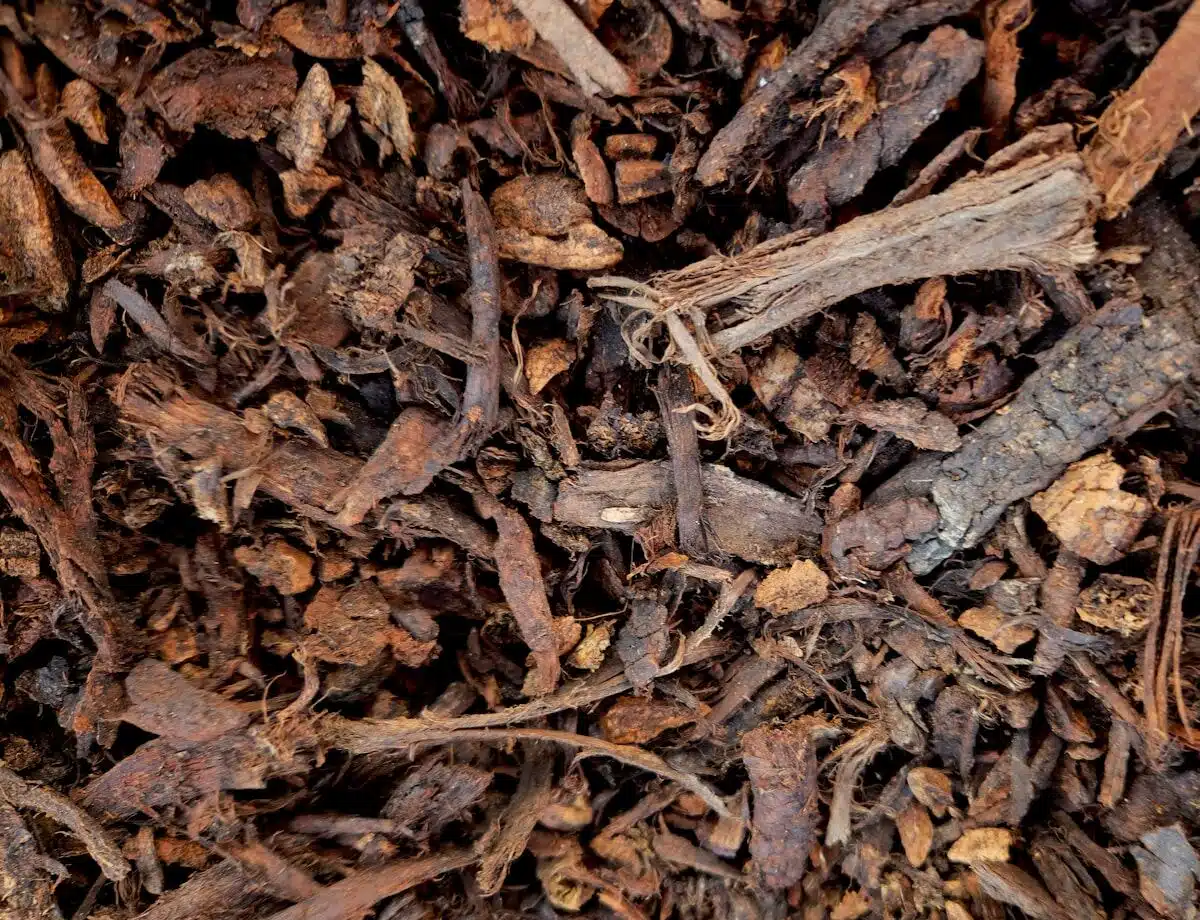
Compost, or a blend resembling your existing soil. Avoid sand over clay entirely.
Mow shorter than usual first
Slightly. It makes it easier to work material down to soil level rather than sitting on the leaf.
Apply a quarter inch at most
Spread in small piles and distribute rather than dumping. Thicker smothers the grass beneath.
Work it in
A drag mat, the back of a rake, or a stiff broom. You want soil visible and grass blades standing through, not a brown carpet.
Water, and repeat next season
This is cumulative. One application levels very little; four seasons of it changes a lawn.
Material by existing soil
Where this stops being a DIY job
Real grading work. Dips deeper than an inch or two, or water running toward the house. That’s excavation and it has to happen before any surface treatment.
Large areas. Top dressing is heavy, awkward material and spreading it evenly over a large lawn by hand is a genuinely punishing day.
Sites where you don’t know the soil. A soil test costs very little and prevents the layering mistake, which is expensive to undo.
Advertising disclosure: calls are routed to an independent local provider. We’re paid a referral fee for the call. You pay the provider, never us.
What a competent service does
Pairs it
Aerates first
Top dressing straight after coring puts material into the root zone rather than on the surface.
Matches
Uses compatible material
Sand over clay is the mistake that creates a perched water table.
Restrains
Applies thinly
A quarter inch. Anyone spreading more is smothering the lawn they were paid to improve.
Common questions
How thick should top dressing be?
About a quarter inch at a time, worked down between the blades. Thicker smothers the grass, and levelling is meant to be cumulative over several seasons.
Can I top dress with sand?
Only over sandy soil. Sand over clay creates a texture boundary water struggles to cross, which perches water near the surface and is worse than doing nothing.
When is the best time to top dress?
During active growth so the grass recovers quickly — early autumn for cool-season lawns, and straight after core aeration if you’re doing both.
Will top dressing level my lawn?
Minor dips, yes, over several seasons. Anything deeper than an inch or two is a grading problem and needs excavation instead.
Large area, or dips that need grading?
Thin applications of compatible material, worked in after aeration, is genuinely doable and it’s the version that works. Real grading and large areas are where the material weight and the earthworks make it someone else’s job.
Call (877) 360-4657