
Home › Services › Pest Control
Bed Bug Treatment
Almost every instinct people have here makes it worse — binning the mattress, sleeping in another room, spraying the bed. Here’s what actually helps and why the job takes more than one visit.
Advertising disclosure: calls are routed to an independent local provider. We’re paid a referral fee for the call. You pay the provider, never us.
The short answer
Two instincts do real damage. Dragging an infested mattress through the building spreads bugs along the route and into the stairwell. And moving to another room to escape the bites relocates the infestation with you — they follow carbon dioxide, so a second room becomes a second problem. Stay put, contain the room, and get it treated properly.
Don’t
Move furniture out
Don’t
Sleep elsewhere
Do
Contain and treat in place
Always
More than one visit
Is it actually bed bugs?
Several things get blamed on them. Confirm before anyone treats.
Confirms it
Live bugs or shed skins
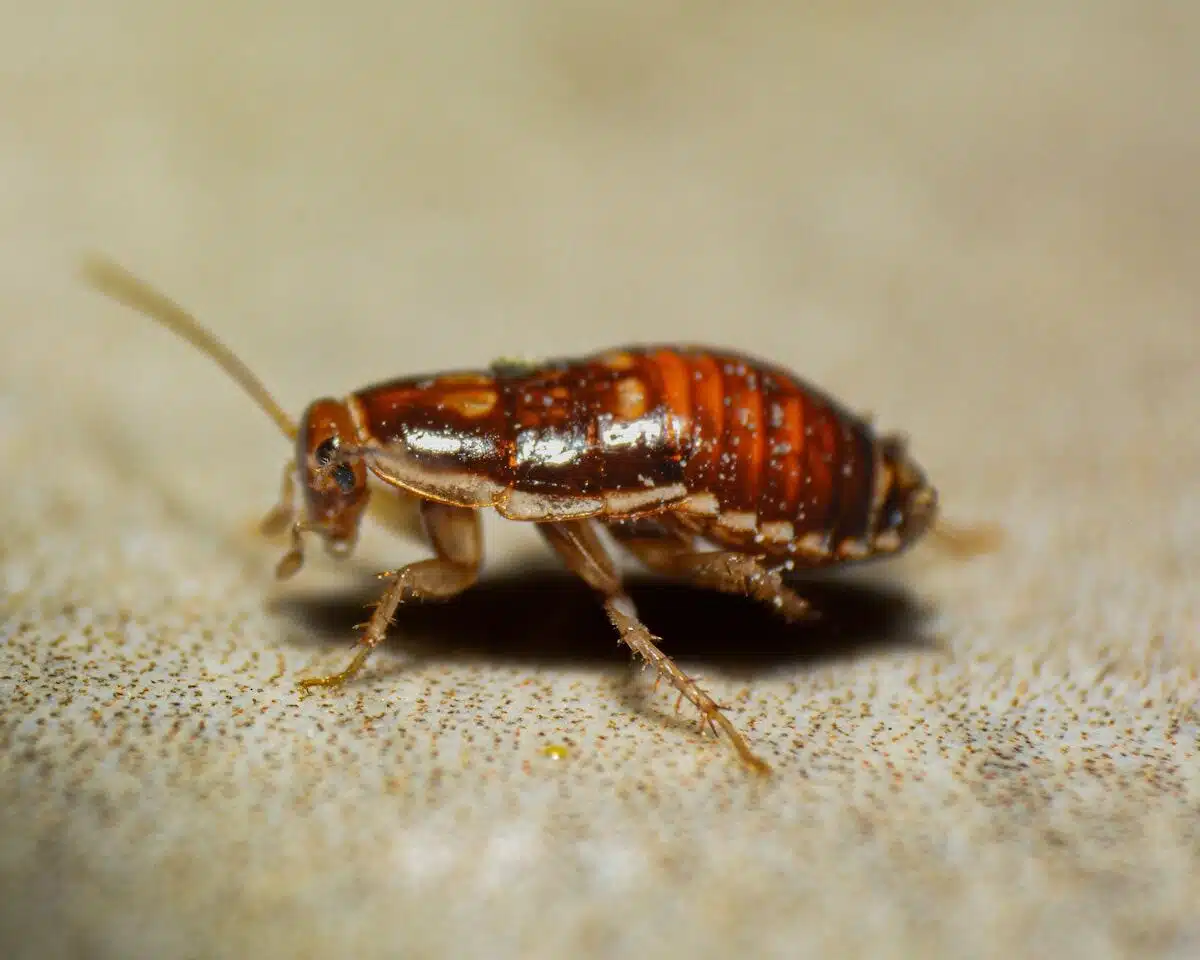
Along mattress piping, in the seams of the base, behind the headboard, in bed-frame joints. Flat, oval, reddish-brown. Shed skins are translucent and hold the same shape.
Strong sign
Small dark spots
Faecal marks on the sheet or mattress seam — they smear when wiped with a damp cloth, which distinguishes them from dirt.
Not enough alone
Bites
Reactions vary enormously; some people show nothing. Bites alone don’t confirm anything and they’re routinely mistaken for other causes.
Different insect
Fleas or carpet beetles
Both get mistaken for bed bugs. The treatments are completely different, so identification comes before anything else.
Heat or chemical?
Whole-room heat raises everything to a temperature that kills all life stages including eggs, in one treatment. It reaches into places nothing can be applied to. It’s expensive, needs specialist equipment, and offers no residual protection — anything reintroduced afterwards starts a new problem.
Chemical treatment is applied in stages, typically several visits a fortnight or so apart, because eggs are protected and hatch after the first application. Cheaper per visit, longer overall, and leaves residual action behind.
Both are legitimate. What isn’t legitimate is a single chemical visit sold as a complete solution — the egg stage guarantees it won’t be.
Preparation, which is most of the outcome
This part is yours, and treatment works far better with it than without.
Don’t move anything out
Especially not through the building. If something has to go, it gets sealed in plastic in the room, not carried out uncovered.
Keep sleeping in the room
Counter-intuitive and important. Moving rooms spreads them; staying keeps the population where the treatment is.
Launder hot and dry hot
Bedding and clothing from the affected room. Heat in the dryer does the work, more than the wash.
Bag what you can’t wash
Sealed bags, and keep them sealed. Not in another room.
Pull the bed off the wall
And keep bedding off the floor. It removes the routes back onto the bed.
Vacuum the seams
Mattress piping, bed frame joints, skirting behind the bed. Empty outside immediately into a sealed bag.
Heat against chemical
Where this stops being a DIY job
All of it, realistically. Bed bugs are one of the few pests with no effective homeowner treatment. Retail sprays kill what they touch and miss eggs and harbourage entirely, and repeated use selects for resistance while spreading the population.
Flats and shared buildings. They move through service voids and along shared walls. Treating one unit while neighbours go untreated is a loop, and it needs handling at building level.
Anyone reacting badly to bites. Skin reactions and secondary infection from scratching are medical questions. See a doctor about the reaction; the pest control is separate.
What a proper bed bug job involves
Confirms
Finds physical evidence
Live bugs, skins or faecal marks. Bites alone aren’t a diagnosis and treating on bites alone is guessing.
Plans
Schedules the follow-ups
Eggs hatch after the first treatment. A single chemical visit sold as complete isn’t.
Briefs
Gives you a prep list
Because preparation determines the result more than the product does.
Common questions
Should I throw out my mattress?
Usually not, and never by carrying it through the building — that spreads bugs along the route. Encasements and treatment deal with a mattress in place.
Should I sleep in another room?
No. They follow carbon dioxide, so moving rooms relocates the infestation and gives you two problems instead of one.
Does one treatment get rid of bed bugs?
Heat treatment can. Chemical treatment cannot — eggs are protected and hatch afterwards, so several visits spaced a fortnight or so apart are structural to the job.
How do you know it’s bed bugs and not fleas?
Physical evidence: flat oval reddish-brown insects, translucent shed skins, and dark faecal spots that smear when wiped. Bites alone confirm nothing.
Confirmed in the seams, or in a flat?
Preparation is genuinely yours and it decides how well treatment works — hot laundry, sealed bags, bed pulled off the wall, and staying in the room. The treatment itself has no effective homeowner version, and shared buildings need handling at building level.
Call (720) 389-2293