
Home › Services › Pest Control
Lawn Pest Control
Four different insects produce brown patches that look broadly alike, and they need different products at different times. Two tests tell you which you have. Both take ten minutes and both are free.
Advertising disclosure: calls are routed to an independent local provider. We’re paid a referral fee for the call. You pay the provider, never us.
In short
The tug test tells you whether the roots have been eaten — grab the turf at the edge of a patch and pull. If it lifts like a loose rug, you have a root feeder. The soap flush brings surface-dwelling insects up where you can count them. Run both before buying anything, because treating for the wrong insect wastes a season and the right product applied at the wrong time does almost nothing.
Tug test
Roots gone = root feeder
Soap flush
Brings surface insects up
Where to test
The boundary, not the centre
What decides it
Timing, not product
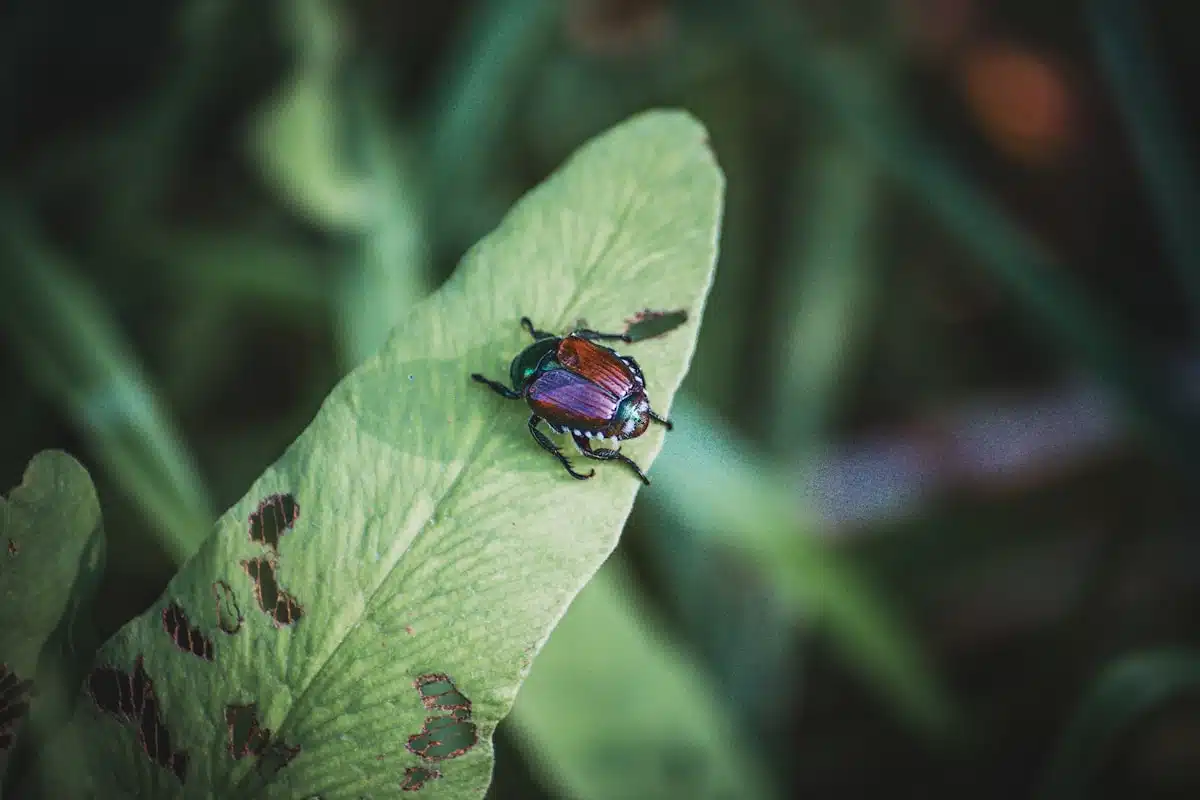
Which of the four is it?
All four brown a lawn. Only one of them is urgent, and they need different products at different times of year.
Root feeder
Grubs
Turf lifts freely with no roots, white C-shaped larvae in the top few inches. Often with skunks or birds digging — they’re after the grubs, and that digging is a diagnosis in itself.
Looks like drought
Chinch bugs
Damage starts in the hottest, driest, sunniest part of the lawn and expands outward while the roots hold. Gets watered instead of treated, which is why it spreads.
Cut at the crown
Sod webworm
Blades cut off cleanly at the base, small ragged patches, and small brown moths flying up in a zigzag when you mow at dusk.
Urgent
Armyworm
A visibly advancing front. A lawn can go from fine to stripped in a couple of days. This is the one where waiting genuinely costs you the lawn.
Why timing beats product choice
For grubs the distinction that decides everything is preventative against curative. Preventative products go down before or during egg-laying and are highly effective. Curative products work on small larvae and lose effectiveness rapidly as those larvae mature — apply one to large late-season grubs and it may do very little, through no fault of the product.
That is the single most common way this goes wrong, and it’s a calendar problem rather than a shopping problem. Two people can buy the same bag, apply it six weeks apart, and get completely different results.
The same logic runs through the other three. Chinch bugs are treated when nymphs are active, not when the damage peaks. Sod webworm is treated in the evening because the larvae feed at night. Armyworm is treated the week you see the front, not the week you get round to it.
The two tests, step by step
Ten minutes, no cost, and it’s the difference between buying the right product and buying a bag that does nothing.
Go to the boundary
The edge between damaged and healthy turf. The middle of a dead patch has nothing living in it — that’s why people run these tests, find nothing, and conclude they don’t have insects.
Pull the turf
Take a handful and pull steadily upward. Healthy turf resists. Turf whose roots have been eaten peels back like carpet, and you’ll find larvae in the soil beneath.
Mix the soap flush
Two tablespoons of dish soap in a gallon of water. Pour it slowly over about a square foot, again at the boundary rather than the centre.
Wait and count
Give it a few minutes. Surface insects come up to escape it. This is the test that finds chinch bugs, sod webworm and armyworm — none of which the tug test reveals.
Check the thresholds
A few insects is normal and healthy. Treatment thresholds exist for a reason, and a lawn with a handful of grubs per square foot does not need a treatment.
Water a granular in
Whatever you apply, if it’s granular it has to be watered in properly or it sits on the surface and never reaches what’s eating the roots.
Reading the damage
Where the line actually is
Damage advancing across the lawn in days rather than weeks. That’s an armyworm front, and the window is short enough that a same-week treatment matters. This is the one turf insect where waiting costs you the lawn rather than a season.
Repeated grub damage over consecutive years despite treating. That’s a timing problem rather than a product problem, and someone who knows the local degree-day timing is worth more than another bag.
Anything requiring a restricted-use product. Almost nothing a home lawn needs falls into that category — but if a company tells you it does, ask which product and check the label yourself.
Advertising disclosure: calls are routed to an independent local provider. We’re paid a referral fee for the call. You pay the provider, never us.
What a professional does differently
First
Tests at the boundary
The middle of a dead patch has nothing living in it. That’s why tests come back empty and lawns get treated for the wrong thing.
Then
Times to the larvae
Preventative or curative is a calendar decision. A technician who knows local degree-day timing is buying you the thing you can’t easily get.
After
Checks for diggers
Skunks and raccoons working the lawn is a grub diagnosis in itself, and it means the population is worth treating.
Before you buy anything
- Run both tests at the boundary of the damage, not the middle
- Count what comes up — a few is normal, thresholds matter
- Check whether animals are digging; that’s a grub diagnosis
- Establish preventative or curative before choosing a product
- Water a granular in thoroughly, or it stays on the surface
Every one of those costs nothing, and together they decide whether the bag you buy does anything at all. The application rates are in the calculators on this site.
What people ask
How do I know if I have grubs?
Pull the turf at the edge of a brown patch. If it lifts like a loose rug with no resistance the roots have been eaten, and you’ll find C-shaped white larvae in the soil underneath.
What is a soap flush test?
Two tablespoons of dish soap in a gallon of water, poured over a square foot at the damage boundary. Surface insects come up within minutes — it’s how you find chinch bugs, sod webworm and armyworm.
Why did my grub treatment not work?
Almost always timing. Curative products work on small larvae and lose effect fast as they mature, so applied to large late-season grubs they may do very little.
Is it chinch bugs or drought?
Chinch bug damage starts in the hottest, driest, sunniest part of the lawn and expands outward while roots hold. It looks exactly like drought stress, which is why it gets watered instead of treated.
Third year running, same patches?
The tests are free, the products are on the shelf and the timing is published — this is genuinely a job you can do, and the guides here cover the rates. What’s worth handing over is an armyworm front moving faster than you can react, or damage that keeps returning despite doing everything right.
Call (720) 389-2293