
The short answer
A good first visit is mostly inspection. They should walk the exterior, look at the roofline and the foundation, ask what you’ve seen and when, and identify the species before choosing a product. If someone arrives, sprays a perimeter and leaves inside fifteen minutes without asking you anything, you’ve bought an application rather than a solution.
First visit
Mostly inspection
Most of the work
Outside
Should ask
What you’ve seen, and when
Should tell you
What to change
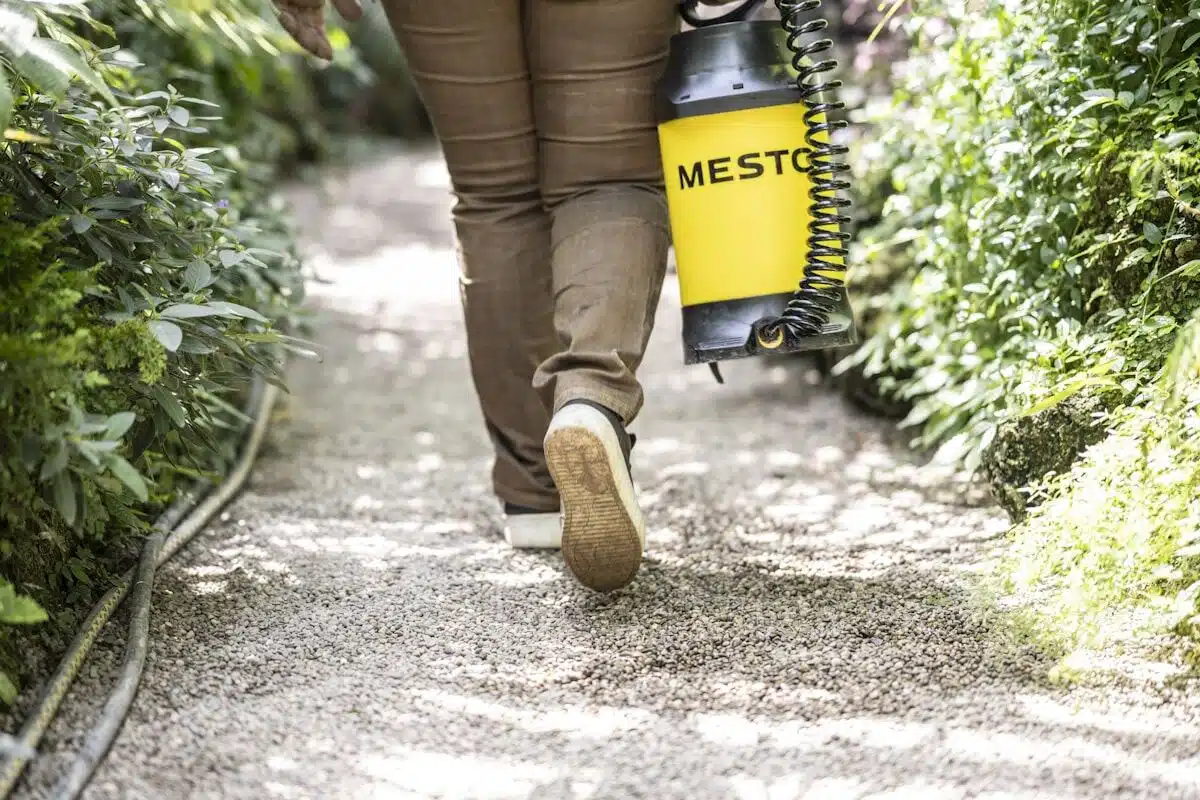
What a good visit looks like
Four stages. If yours skips the first two, that’s the signal.
First
Questions
What have you seen, where, when, how many, what’s changed recently. Species and location decide everything downstream, and they can’t be guessed from the doorstep.
Second
Exterior inspection
Roofline, soffits, vents, utility penetrations, foundation, grade against siding, discharge points. Most pest entry is found outside and most of a first visit should happen there.
Third
Targeted treatment
Matched to the species and placed where the insects actually are, rather than a uniform perimeter band applied to every property the same way.
Fourth
What you need to change
Sealing, moisture, storage, feeders, bins. The highest-value work is usually non-chemical and it’s yours to do.
The question worth asking at the end
“What did you find, and where?”
A specific answer — a gap at the meter penetration, frass under a window frame, standing water in a gutter — means they looked. A general answer about seasonal activity means they didn’t.
It also gives you something to act on. Most of what genuinely reduces recurrence is structural and behavioural rather than chemical, and a technician who has looked will be able to name it.
What to prepare beforehand
Clear access to the perimeter, move things away from walls in affected rooms, and know when and where you’ve seen activity. For interior work, ask what preparation is needed — for bed bugs and roaches it’s substantial and it decides the outcome.
Getting value from the visit
Most of this is what you do around it.
Note what you’ve seen, with dates
Where, when, how many. It narrows identification far faster than a description on the day.
Ask what preparation is needed
Before they arrive. For bed bugs and roaches the preparation matters more than the product.
Clear exterior access
Bins, furniture and planting away from the walls they need to inspect.
Be there for the walk-round
You’ll learn more in that fifteen minutes than from the report.
Ask what they found, specifically
A gap, a moisture source, a harbourage point. General answers mean a general inspection.
Ask what you should change
And do it. The non-chemical half is usually the half that lasts.
Reading the visit
Where this stops being a DIY job
Anything requiring you to leave the property. Some treatments have re-entry intervals. Get them stated in advance rather than discovered on the day.
Anywhere with vulnerable occupants. Pregnancy, infants, respiratory conditions, pets. Tell them before booking so product selection accounts for it.
Any treatment you’re not told the name of. Product labels are public. A company that won’t name what they applied is one to question.
Signs of a technician worth keeping
Asks
What you’ve seen
Before opening the van. Species and location drive everything.
Walks
The exterior first
Most entry points are outside, and most of a real first visit happens there.
Reports
Specifics, not seasons
A named gap, a named moisture source. That’s evidence of looking.
Common questions
How long should a pest control visit take?
A first visit is mostly inspection and usually takes a while. Someone who sprays a perimeter and leaves inside fifteen minutes hasn’t diagnosed anything.
What should I do before a pest control visit?
Note what you’ve seen and when, clear access around the exterior, and ask what interior preparation is needed — for bed bugs and roaches it’s substantial.
Should I stay during the visit?
For the walk-round, yes. You’ll learn more in those fifteen minutes than from any report, and you can ask what they’re finding as they find it.
What should I ask at the end?
What they found and where, specifically, and what you should change. The non-chemical half is usually the half that stops it recurring.
Booking a first visit?
Noting what you’ve seen, clearing access and being there for the walk-round costs nothing and it changes what you get from the visit. What they found, and what you should change, are the two questions worth asking at the end.
Call (877) 360-4657
Calling connects you with a pest control company serving your area. We’re paid for that referral, which is how these guides stay free.