
Home › Services › Wildlife Removal
Snake Removal
Almost every snake in a garden is a non-venomous species doing something useful. Identification from a safe distance settles most of these, and the ones that don’t settle need somebody else.
Advertising disclosure: calls are routed to an independent local provider. We’re paid a referral fee for the call. You pay the provider, never us.
The short answer
Photograph it from several feet away and get it identified before doing anything. Most garden snakes are harmless rodent predators, and their presence usually indicates a rodent population worth addressing. Never handle or attempt to move one, including one you believe is harmless — the majority of bites happen to people trying to catch or kill a snake rather than to people who left it alone.
Most yard snakes
Harmless, and eat rodents
Most bites
Happen when handling
What draws them
Rodents and cover
First step
Photograph from distance
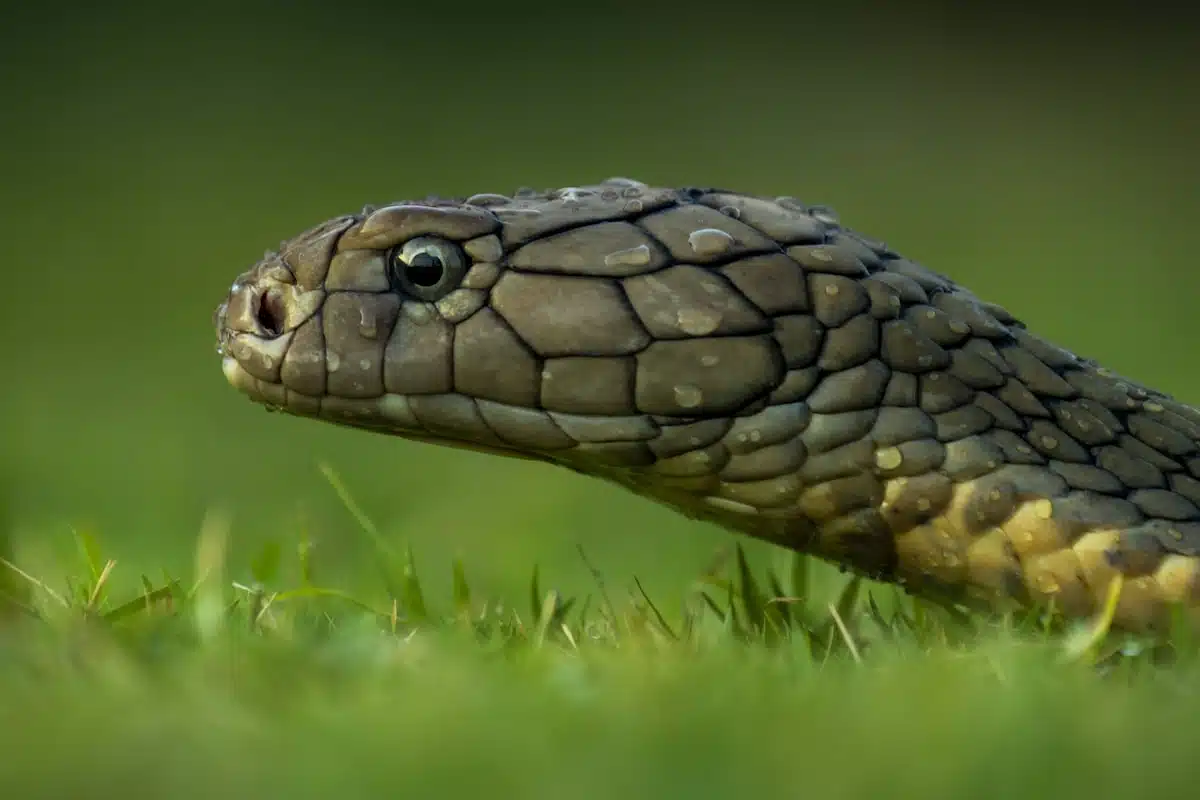
What to do while you look
Four situations, and only one is urgent.
Leave it
Outdoors, moving away
A snake crossing a garden is passing through. Give it space and it leaves. Most encounters end here with no action at all.
Identify first
Outdoors, settled in
Under a woodpile, in a shed, in a rockery. Worth identifying and worth removing the cover once it’s gone, but not an emergency.
Get help
Inside the house
Close the door to that room, put a towel along the gap at the bottom, and call someone. Chasing it moves it somewhere harder to reach.
Urgent
Anyone bitten
Medical emergency, immediately. Keep the person still and calm, note the time, and get a photograph of the snake only if it can be done without any risk.
Why they’re there
Snakes follow food and cover. A garden with a rodent population, dense ground cover, woodpiles stacked on soil, or rock piles offers both. Removing the cover is what changes the calculation — and dealing with the rodents removes the reason.
Which means a snake in the garden is often a symptom worth reading rather than a problem in itself. A property that suddenly has snakes frequently has a rodent problem that predates them.
What doesn’t work
Sulphur, mothballs and the various powders sold as snake repellent have no reliable evidence behind them, and mothballs used outdoors are a misuse of a pesticide. Ultrasonic devices likewise. The interventions that work are physical: remove the cover, deal with the rodents, seal gaps at ground level.
Making a property less attractive
Habitat work, all of it at ground level and none of it involving the snake.
Deal with the rodents
The food source. A snake population is usually downstream of a rodent population, and addressing that addresses both.
Lift woodpiles off the ground
Onto a rack, away from walls. Wood stacked on soil is ideal shelter for both snakes and what they eat.
Clear rock piles and debris
Anything that provides a cool dark space at ground level.
Cut back dense ground cover
Especially against the house. Thick low planting gives cover right up to your walls.
Seal ground-level gaps
Under doors, at utility penetrations, in foundation cracks. Snakes follow rodents through the same openings.
Keep grass short at the margins
Long grass at boundaries is travel cover. Short grass is exposed and avoided.
What actually helps
Where this stops being a DIY job
Anyone bitten by a snake. That is a medical emergency. Get to emergency care immediately, keep the person still, and note the time. Do not attempt to catch the snake, and no phone number on this page is the right one for that situation.
Any snake you cannot confidently identify as harmless. Don’t approach it to look more closely. Photograph from a distance and get someone else to identify it.
Any snake inside the house. Contain the room and call someone. Chasing it moves it into a wall void or under a unit where it’s far harder to remove.
What a competent operator does
Identifies
Species first
It determines everything about the response, and it’s often the whole answer.
Traces
Looks for the food source
A snake problem is usually a rodent problem with an extra step.
Advises
Names the habitat changes
Woodpiles, ground cover, gaps. Removal alone changes nothing.
Common questions
How do I know if a snake is venomous?
Don’t approach to find out. Photograph it from several feet away and have it identified — most garden snakes are harmless, and the identification settles the question safely.
Do snake repellents work?
There’s no reliable evidence for the powders, sulphur or ultrasonic devices sold for this. Mothballs used outdoors are also a pesticide misuse.
Why do I have snakes in my yard?
Food and cover — usually rodents, plus woodpiles, rock piles or dense ground cover. Removing both is what changes it.
What should I do if a snake gets in the house?
Close the door to that room and put a towel along the gap at the bottom, then call someone. Chasing it moves it somewhere much harder to reach.
Inside the house, or one you can’t identify?
Clearing woodpiles and ground cover, sealing gaps and dealing with the rodents removes the reason snakes are there, and all of it is ground-level work. Identification you can’t make safely from a distance, and anything indoors, is where someone else comes in.
Call (484) 878-3487