
Home › Services › Pest Control
Earwig Control
They don’t crawl into ears, the pincers can’t break skin, and they eat decaying matter and other insects. What a lot of them indoors actually means is that something is damp.
Advertising disclosure: calls are routed to an independent local provider. We’re paid a referral fee for the call. You pay the provider, never us.
The short answer
Earwigs need moisture and darkness. Finding them in numbers indoors means they’ve followed damp inward — a leaking gutter discharging at the wall, mulch piled against siding, a crawl space that never dries, a condensation problem. Killing them treats a symptom that will regenerate. Fixing the moisture removes the reason they’re there, and usually fixes several other things at once.
Do they go in ears?
No — the name is folklore
Can the pincers hurt?
No, not through skin
What they need
Moisture and dark
Real fix
Dry the perimeter
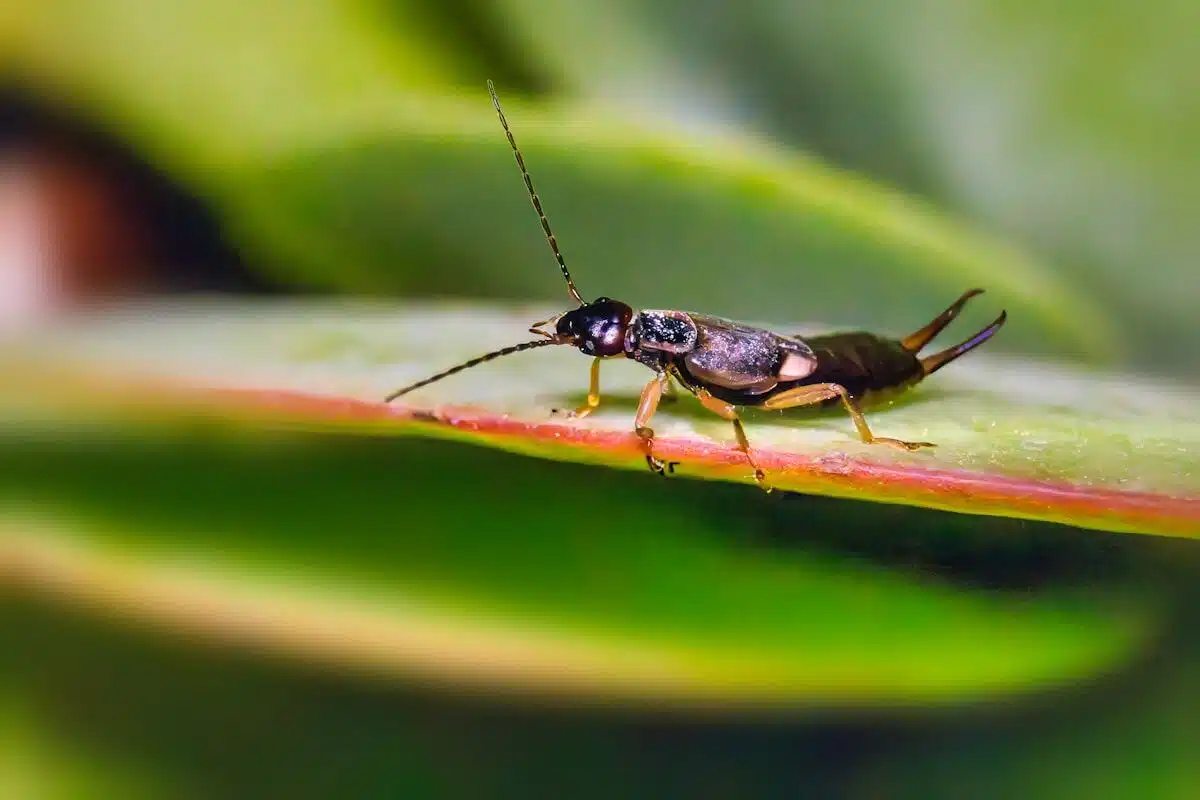
Where are they coming from?
Four moisture sources, in order of how often they turn out to be it.
Most common
Discharge at the wall
A downspout emptying beside the foundation keeps a band of soil permanently damp. That band is ideal earwig habitat and it’s directly against the entry points.
Common
Mulch and plantings against siding
Organic mulch piled against the wall holds water and rots — food and shelter in one, right where they can get in.
Structural
Crawl space or basement damp
Persistent numbers in a lower level usually means the space itself never dries. That’s a ventilation or drainage problem.
Seasonal
Drought driving them in
Ironically, a dry spell pushes them toward the moisture indoors. Numbers spike, then settle when it rains.
Why they turn up in bathrooms and kitchens
Both are the wettest rooms in a house. An earwig that gets in through a ground-level gap moves toward humidity, and that path ends at a sink cabinet or a shower base. It’s not a hygiene problem — a spotless bathroom is exactly as attractive as a dirty one, because what they’re following is water vapour.
Which is also why an insecticide around a bathroom achieves so little. The gap they came through is at the perimeter, several rooms away, and the humidity that drew them is still there.
What they do to plants
Outdoors they’re a mixed thing. They eat aphids and mites, which helps, and they chew soft foliage, seedlings and ripening soft fruit, which doesn’t. A dahlia or a strawberry bed can take real damage. A mature shrub border won’t notice them, and treating the whole garden removes a predator you’d rather keep.
Drying them out
Perimeter work, all of it at ground level.
Fix the discharge first
Downspout extensions taking water several feet from the wall, onto ground that slopes away. Cheapest change on this page and it fixes the most.
Pull mulch back from the wall
Leave a dry gap of bare soil or gravel between planting and siding. It removes the habitat rather than treating it.
Seal ground-level gaps
Where pipes and cables enter, under thresholds, at slab joins. Ordinary sealant is fine — earwigs don’t chew.
Change exterior lighting
They’re drawn to lights at night, which puts them at your doors. Warmer colour temperatures attract far fewer insects.
Trap in the garden, not the house
A rolled damp newspaper or a shallow oil trap near affected plants, emptied each morning. Targets the ones doing damage.
Vacuum the ones indoors
They don’t breed inside in numbers. What’s indoors is transient — removing it while you fix the perimeter is enough.
What works and what doesn’t
Where this stops being a DIY job
Persistent damp in a crawl space or basement. If the space itself never dries, earwigs are the least of it — that’s a drainage or ventilation problem with implications for timber and air quality.
Numbers that don’t fall after the perimeter is dry. Something is still wet, and it may be inside a wall.
Anything above single storey. Gutter and discharge work at height is the usual reason this becomes someone else’s job.
Advertising disclosure: calls are routed to an independent local provider. We’re paid a referral fee for the call. You pay the provider, never us.
What a competent visit addresses
Traces
Finds the water
Discharge points, grade against siding, crawl space humidity. Not the insects.
Advises
Names what to change
Mulch, lighting, extensions. A quote that’s only chemical is treating a symptom.
Targets
Treats the perimeter band
Where they cross, not where you saw one.
Common questions
Do earwigs go in your ears?
No. It’s folklore, and the pincers can’t break skin. They’re harmless to people.
Why do I suddenly have earwigs indoors?
Either a damp band right against the house — usually a downspout discharging at the wall — or a dry spell driving them toward the moisture inside.
Are earwigs bad for the garden?
Mixed. They eat aphids and mites, and they chew seedlings, soft foliage and ripening fruit. Trap around affected plants rather than treating the whole garden.
Does spraying get rid of earwigs?
Only temporarily. They’re coming from a damp area outside, so unless that dries out the numbers return within weeks.
Numbers that won’t drop, or damp you can’t find?
Extensions on the downspouts, mulch pulled back from the wall and ground-level gaps sealed will end most earwig problems, and all three are ground-level work. Persistent damp inside a crawl space or wall is where this needs someone else.
Call (720) 389-2293