
Home › Services › Pest Control
Mouse Control
Mice breed fast enough that trapping alone is a race you lose. The traps matter, but they only work as the second half of the job.
Advertising disclosure: calls are routed to an independent local provider. We’re paid a referral fee for the call. You pay the provider, never us.
The short answer
A breeding pair produces litters every few weeks, and the young are breeding themselves within a couple of months. Removing adults faster than that is difficult, and it’s why a trapping-only approach plateaus. Sealing the entry points is what changes the arithmetic — and unlike rats, mice don’t need a water source, so removing water does nothing for them.
Gap needed
About a pencil
Breeding
Litters every few weeks
Water
Not needed — from food
Traps
Work fast if placed right
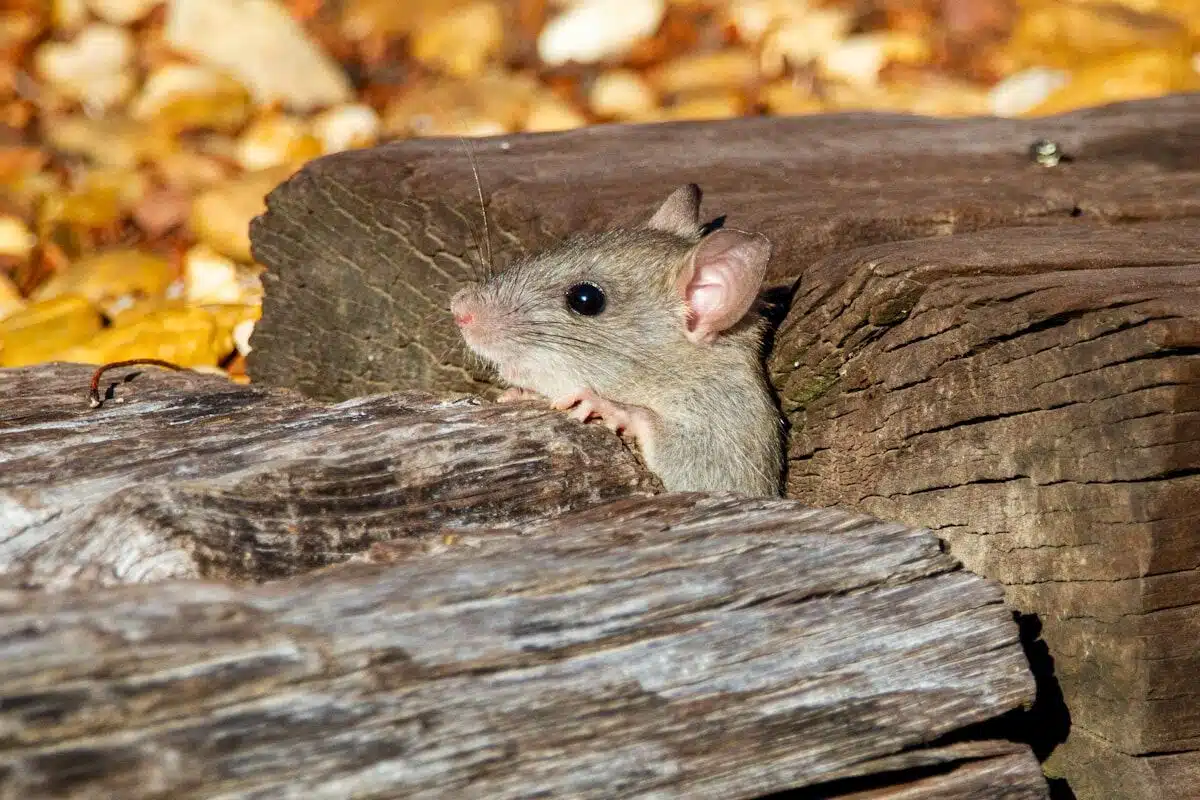
Where are they getting in?
Four routes that account for most domestic mouse problems.
Most common
Utility penetrations
Where pipes and cables enter, especially under a kitchen unit or behind an appliance. Often finished with foam or nothing at all.
Common
Under a door
A worn threshold or garage door seal. Gaps you’d never call a gap are enough.
Overlooked
Air bricks and vents
Necessary for ventilation, so they can’t be blocked — they need fine stainless mesh behind them instead.
Overlooked
From an attached garage
Garages are half-outdoors and the door into the house is often the least-sealed door on the property.
Why traps go quiet and then don’t
Mice are curious rather than cautious, so well-placed traps usually produce results within a night or two. That first success is often followed by a lull, then more activity a fortnight later — which reads as a new infestation and is usually the next cohort maturing.
That pattern is the whole argument for sealing. Trapping addresses what’s present. Exclusion addresses what arrives next, and it’s the only part of the job that compounds in your favour.
Placement beats bait
Mice run along walls and rarely cross open floor. Traps go flush against the wall, perpendicular to it, trigger end toward the wall — not out in the middle of a room where a mouse has no reason to be. That single detail matters more than what you bait with.
Doing it properly
Sealing first, trapping second. That order is the whole difference.
Find the runs
Droppings, smear marks, gnawing. They follow walls and edges — that’s where everything gets placed.
Seal what you can reach
Copper mesh or stainless wool into gaps, sealed over. Behind appliances, under sink units, around pipes. Foam alone gets chewed straight through.
Mesh the vents
Don’t block them. Fine stainless mesh behind air bricks keeps ventilation and stops entry.
Set traps along walls
Perpendicular, trigger toward the wall, several at a time. More traps beats better bait.
Bait with something sticky
A smear of peanut butter or chocolate spread works better than cheese — they have to work at it rather than lifting it off.
Keep going after it goes quiet
Leave traps down a fortnight past the last catch. That’s when the next cohort appears.
What actually works
Where this stops being a DIY job
Activity inside wall or ceiling voids. Sealing the building with mice inside means they die in the cavity, and in a wall that’s a smell you can’t reach for weeks.
Droppings in an enclosed space — a crawl space, a loft, under floors. Dried material shouldn’t be dry-swept or vacuumed in a confined area. There’s a protocol and equipment for it.
Gnawed wiring. Mice gnaw insulation, and exposed conductors in a void are a fire risk. That’s an electrician, not a pest controller.
Advertising disclosure: calls are routed to an independent local provider. We’re paid a referral fee for the call. You pay the provider, never us.
What separates a fix from a subscription
Seals
Leads with exclusion
If the plan is bait stations serviced quarterly and nothing else, that’s an ongoing charge rather than a solution.
Places
Works the wall lines
Traps flush and perpendicular, in numbers. Placement beats product.
Returns
Comes back for the next cohort
A fortnight later, because that’s when the young mature.
Common questions
How do I get rid of mice permanently?
Sealing is the only permanent part. Traps clear what’s inside; exclusion stops the next ones. Doing only the first is why mice come back every autumn.
What’s the best bait for a mouse trap?
Something sticky they have to work at — peanut butter or chocolate spread beats cheese, which they can lift off cleanly. Placement matters far more than bait choice.
Do ultrasonic mouse repellers work?
There’s no reliable evidence they do. Money is better spent on mesh, sealant and traps.
Why do I still have mice after trapping?
Usually the next generation. Mice breed every few weeks, so a lull followed by fresh activity a fortnight later is normal — and it’s the argument for sealing rather than trapping harder.
In the walls, or back every autumn?
Sealing what you can reach, meshing the vents and trapping along wall lines is genuinely yours and it’s most of the job. Mice already in a void, contamination in a confined space, and gnawed wiring are the three that need someone else.
Call (720) 389-2293
Related
The smell afterwards
Dead animal removal
Bait can leave mice dying inside walls. How to find the source.