
Home › Services › Wildlife Removal
Dead Animal Removal
An unmistakable smell and no obvious source. Finding it before opening anything up is most of the job, and there are better methods than guessing.
Advertising disclosure: calls are routed to an independent local provider. We’re paid a referral fee for the call. You pay the provider, never us.
The short answer
Locate before you cut. Blowfly activity concentrates at the nearest gap to the carcass, so following the flies is more reliable than following your nose — smell travels along cavities and can be strongest several feet from the source. Once removed, the entry point that let the animal in has to be sealed, or you’ll be doing this again.
Locate by
Flies, not smell
Smell travels
Along cavities
After removal
Seal the entry
In the yard
Usually a DIY job
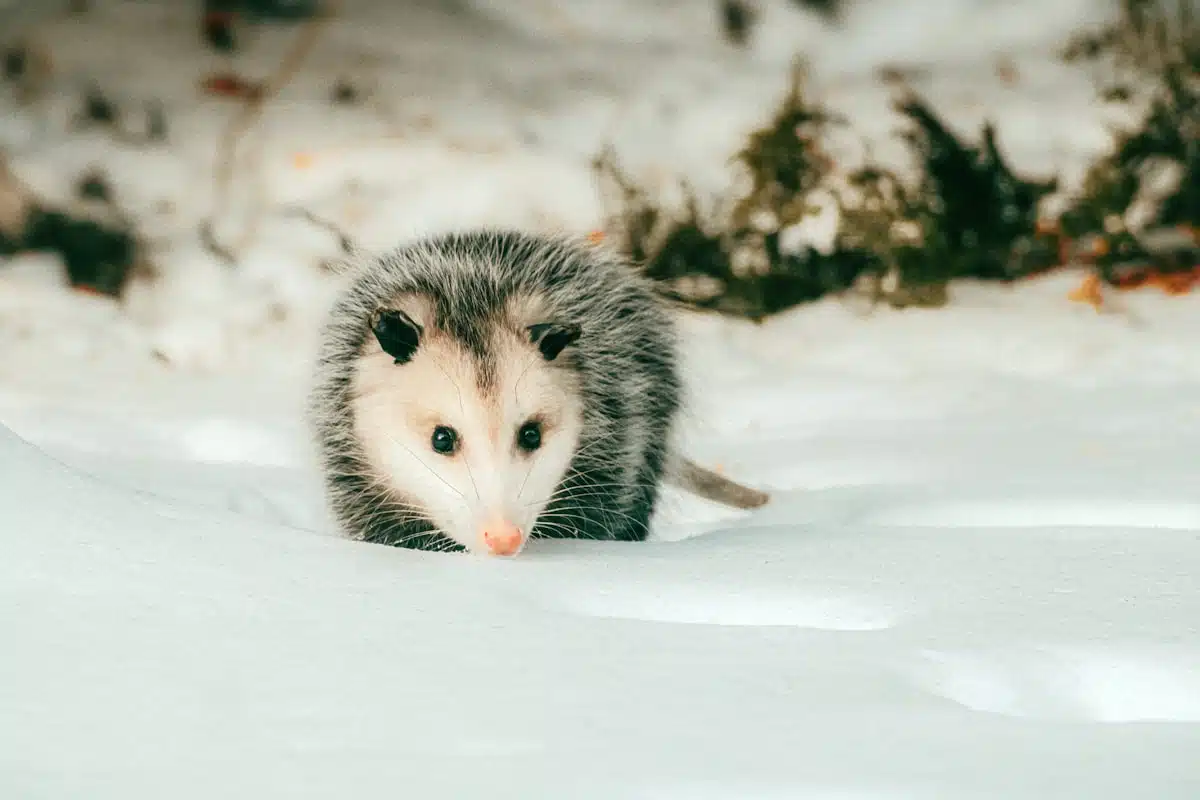
Dead animal in the yard or on the road?
This one rarely needs paying for. Cities commonly collect dead animals from public streets — New York takes reports through 311, for example — so start with your city’s 311 line or public works department. Some will also collect from private property if you ask.
On your own property it’s normally yours to deal with, and for a small animal it’s a short job. Westchester County’s health department sets out the method most local agencies use:
Gloves and a shovel
Never bare hands, even for something small. Lift it with the shovel rather than picking it up.
Double-bag it
Two heavy-duty trash bags, each tied off separately.
Into a closed trash can
Lid secured so nothing else gets at it before collection. Burial is an alternative where it’s allowed — deep, and well away from any well or water.
If a person or pet may have touched it, stop. With a raccoon, skunk, fox or bat in particular, possible contact is a question for your doctor, your vet or your local health department before anything goes in the trash.
Smell inside the house: narrowing it down
Four techniques, in order of reliability.
Most reliable
Follow the flies
Blowflies concentrate at the nearest opening to the carcass — a light fixture, a vent, a gap along the baseboard. That marks the spot far more precisely than smell does.
Useful
Feel for warmth
Decomposition generates heat. On an exterior wall in cold weather, an infrared thermometer can show a warmer patch.
Useful
Map the smell over days
Note where it’s strongest at different times. It tends to intensify with warmth, so an attic peaks in the afternoon.
Least reliable
Smell alone
Travels along wall cavities, crawl spaces and ductwork. The strongest point can be several feet from the carcass, which is how people open the wrong wall.
Why the entry point matters as much as the removal
An animal died inside your structure because it got in. That opening is still there, and whatever used it will be used again — often within the same season.
So the job has two halves: remove the carcass and the contaminated material, then find and close the route. A quote covering only the first half is a quote for doing this again.
What happens if you wait it out
It does resolve eventually. Depending on size and temperature that’s anything from a few days for a mouse to several weeks for something larger, followed by flies, followed by a period of beetles working the remains. Grease staining through drywall is common with anything larger than a mouse.
It’s a legitimate choice for a mouse in an inaccessible spot in winter. It’s a poor one for anything larger, or in warm weather, or anywhere near living space.
Locating it
Before opening anything. Cutting in the wrong place is expensive and doesn’t help.
Watch where flies gather
At a light fixture, a vent, a gap along a baseboard. That’s the nearest opening to the carcass and the best marker you have.
Check the obvious voids first
Attic, crawl space, an unused chimney, behind appliances, a cavity above a ceiling. Most are in one of these.
Note when the smell peaks
Warmth intensifies it. An attic worst in the afternoon points upward; a crawl space worst in the morning points down.
Try a thermal check
An infrared thermometer over a suspected wall section in cold weather can show a warmer patch.
Open the smallest access you can
Once you’re confident. A small inspection hole in drywall is easy to patch; a wall opened on a guess is not.
Seal the entry afterwards
The animal got in somehow. Not closing that means repeating this.
Where they usually are
After it’s out: the smell that stays
Taking the carcass out removes the source, not the smell that has already soaked in. Anything the fluids reached — insulation, subfloor, the paper face of drywall — keeps smelling until it comes out too.
Clean hard surfaces with an enzyme cleaner, which breaks down the organic residue rather than covering it, and ventilate the space. Scented sprays only mask it for a few hours. Expect a few more flies for a short while after removal; they stop once there’s nothing left to breed in.
Where this stops being a DIY job
Anything requiring opening a wall or ceiling. Cutting in the wrong place is expensive and doesn’t solve the problem. Locating accurately first is the skill you’re paying for.
Anything in ductwork. Smell distributed evenly through a house points at the HVAC system, and that’s a specialist job.
Handling the remains and contaminated material indoors. Decomposition fluids soak into insulation and wood framing. This needs proper protection and disposal, not gloves and a trash bag.
Advertising disclosure: calls are routed to an independent local provider. We’re paid a referral fee for the call. You pay the provider, never us.
What a competent operator does
Locates
Before opening anything
Flies, thermal, and experience of where they end up. This is the actual skill.
Removes
Carcass and contaminated material
Soaked insulation and wood, not just the animal.
Seals
Closes the entry point
Otherwise you’re booking the same job next season.
Common questions
Who picks up a dead animal?
On a public street, usually your city — call 311 or public works. On private property it’s generally the owner’s job, though some cities collect on request. Anything inside the structure is work for a wildlife operator.
How do I find a dead animal in my wall?
Follow the flies rather than the smell. Blowflies concentrate at the nearest opening to the carcass, which marks the spot far more precisely — smell travels along cavities.
How long does the smell last?
From a few days for a mouse to several weeks for a larger animal, and longer in warm weather. Flies and then beetles follow, and larger animals can stain through drywall.
Can I just wait it out?
Reasonable for a mouse in an inaccessible spot in winter. Poor for anything larger, in warm weather, or near living space.
Will it happen again?
Yes, unless the entry point is sealed. The animal got in somehow, and that route is still open once the carcass is removed.
Smell in a wall, or a source you can’t locate?
Following the flies and checking the obvious voids will find most of these, and that’s the part worth doing before anyone quotes. Opening walls, ductwork, and handling contaminated material are where this needs someone equipped.
Call (855)-321-3088