
Home › Services › Wildlife Removal
Raccoon Removal
A raccoon that has chosen your attic is almost always a female choosing a den site. That changes the sequence completely, and getting it wrong has consequences you can’t undo.
Advertising disclosure: calls are routed to an independent local provider. We’re paid a referral fee for the call. You pay the provider, never us.
The short answer
An adult raccoon in a structure between late winter and midsummer should be assumed to have kits until proven otherwise. They’re silent for the first weeks, they can’t follow the mother out, and sealing the entry at that point kills them inside the structure. The competent sequence is: confirm whether young are present, remove them with the mother, then exclude — in that order, never reversed.
Denning season
Late winter to midsummer
Kits
Silent for weeks
Rabies vector
Yes — no handling
Sealing first
Kills them inside
What are you actually hearing?
Four things live in roof spaces and they sound different.
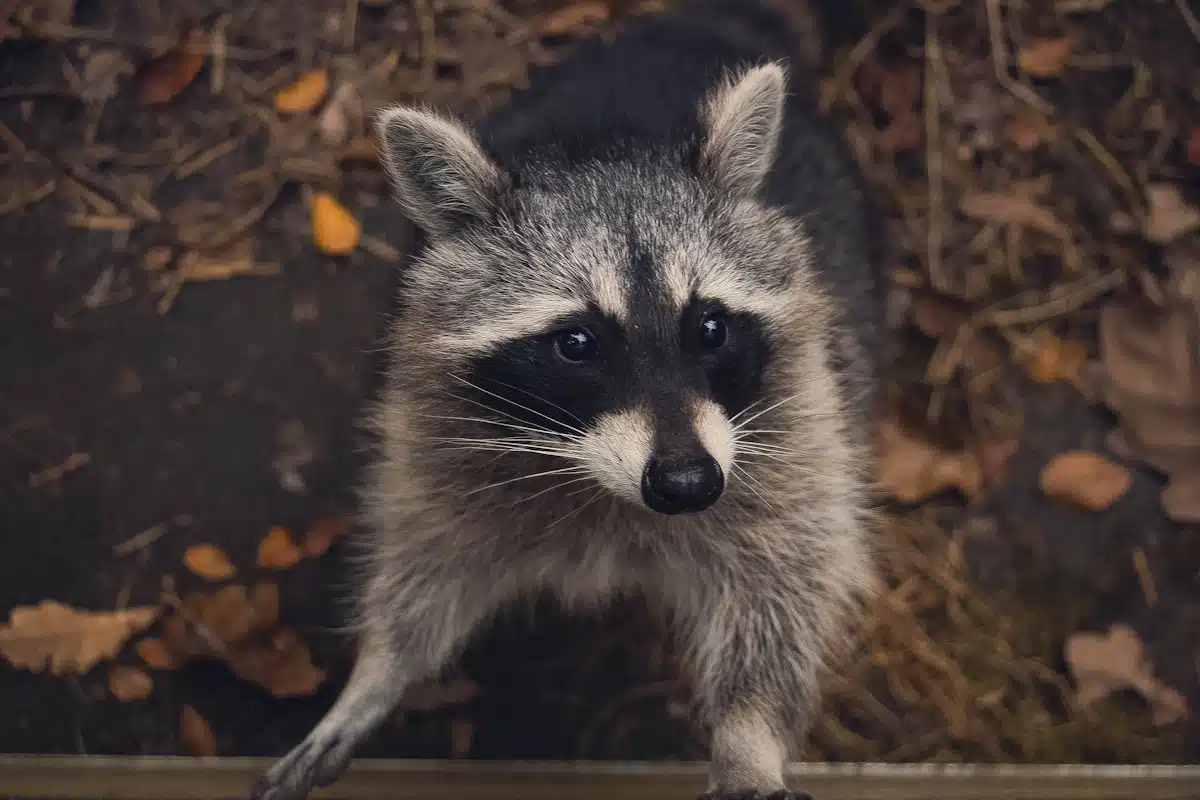
Likely raccoon
Heavy, deliberate movement
Thumping and dragging rather than scurrying, usually at dusk and dawn. Chittering or a churring sound. Damage is substantial — torn soffit, lifted shingles, ripped vent covers.
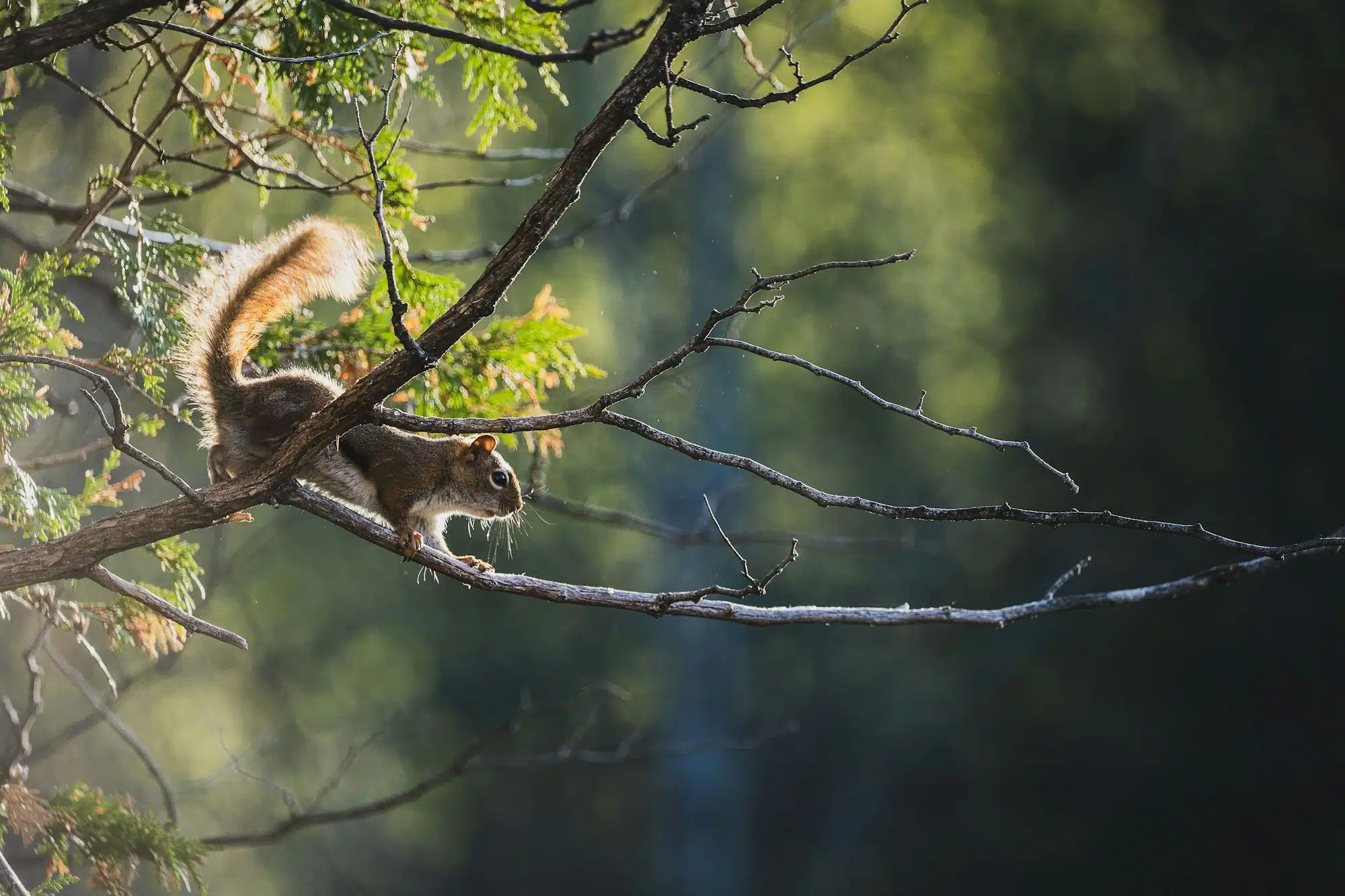
Squirrel
Fast scurrying, daytime
Lighter, quicker, and active in daylight rather than at dusk. Entry holes are neat and roughly fist-sized.
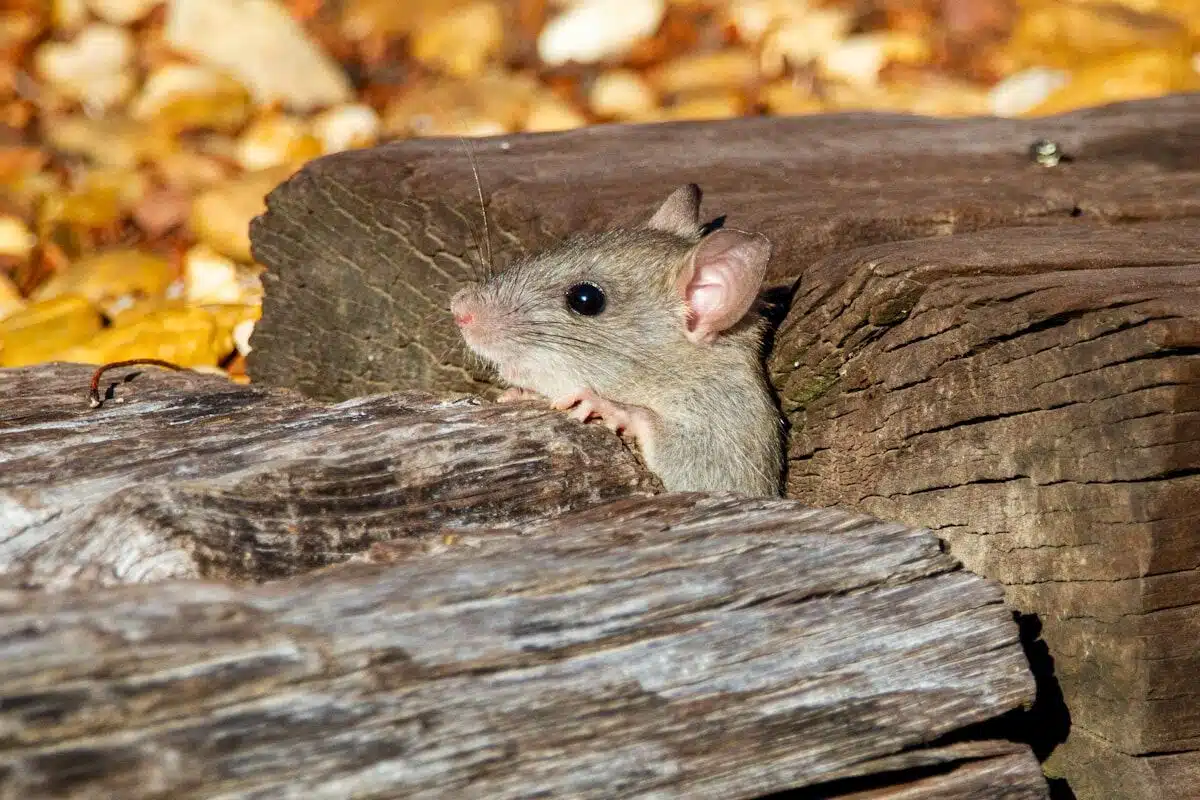
Rodent
Scratching in walls
Continuous small noises inside cavities rather than across a ceiling. Droppings are the confirming sign.
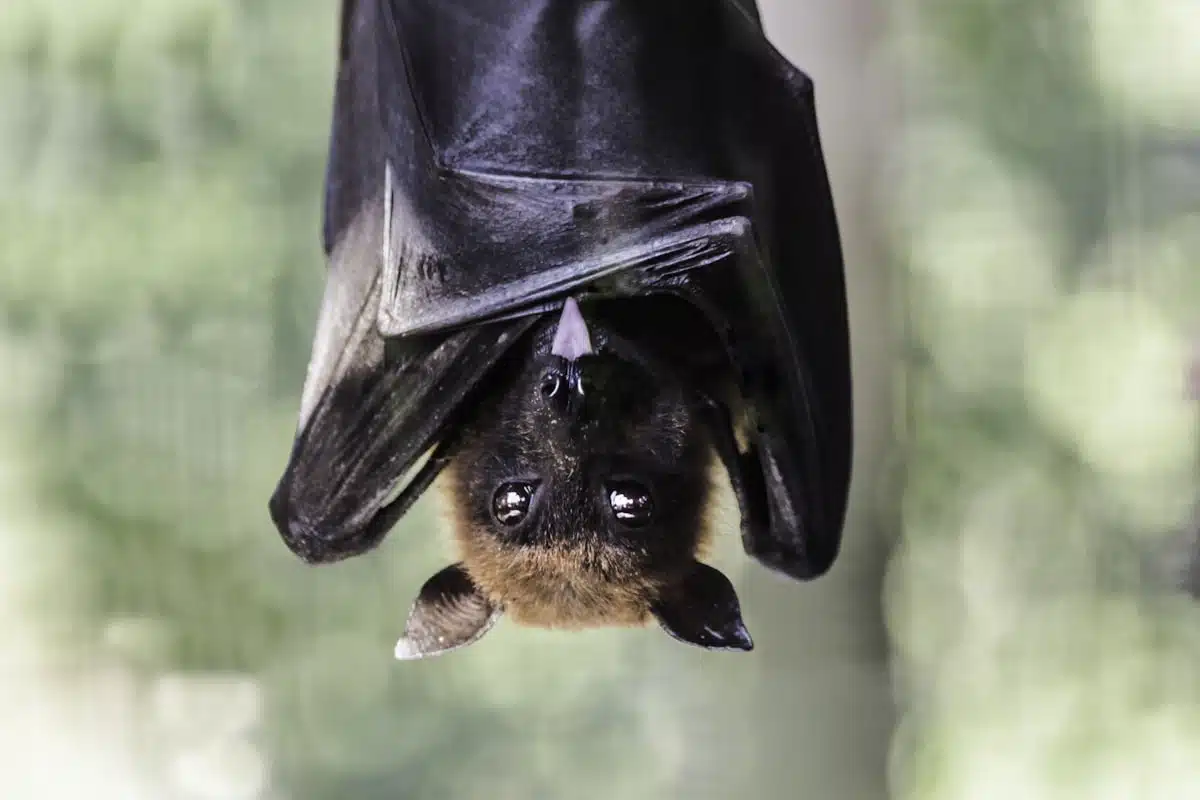
Bats
Fluttering at dusk
And staining at the entry point. Protected everywhere, with a maternity window during which exclusion is prohibited.

Why the sequence matters more than the method
Removing an adult and sealing the same day is the mistake, and it’s made constantly. Kits stay in the den for weeks before they can follow the mother, and they’re quiet enough that people conclude the attic is empty.
What follows is a litter dying inside insulation or a wall cavity you can’t reach, which is a demolition job and a smell that lasts months. Any operator who proposes trapping and sealing in one visit during spring hasn’t asked the question that matters.
Health, and why nobody handles them
Raccoons are a rabies vector species. They also carry a roundworm whose eggs persist in latrine sites and are a genuine hazard during clean-up — which is why attic decontamination after a raccoon is specialist work with proper respiratory protection rather than a job with a shop vacuum.
If anyone has been bitten or scratched, that’s a doctor or public health immediately, not a wildlife company.
What you can do yourself
Prevention and observation. Not removal.
Work out where they get in
Roofline, soffit joins, vents, chimney, and where a roof meets a wall. Look for torn material and rub marks rather than a neat hole.
Cap the chimney
A proper spark arrestor cap. Uncapped chimneys are one of the most common raccoon den sites and capping is straightforward on a single storey.
Cut back overhanging branches
They climb, and a branch within a few feet of the roof is a ladder. Trimming back removes the route.
Secure the food
Bins with locking lids, pet food indoors overnight, fallen fruit cleared. Almost all urban raccoon problems start here.
Note the season and the noise
Time of year plus what you’re hearing tells an operator whether to expect kits. Useful information to have ready.
Don’t seal anything
Not until someone has confirmed nothing is inside. This is the single most important line on the page.
Sequence, by season
Where this stops being a DIY job
All of it, once one is inside the structure. Raccoons are a rabies vector species and their latrine sites carry a roundworm that’s hazardous during clean-up. This isn’t a job with a shop vacuum and a pair of gloves.
If anyone has been bitten or scratched. That is a call to a doctor or public health immediately, not to a wildlife company and not to any number on this page.
Sealing before someone has confirmed the space is empty. Between late winter and midsummer, assume kits.
What a competent operator does
Asks
About the season first
Anyone proposing trap-and-seal in one spring visit hasn’t asked whether there are kits.
Sequences
Young out before sealing
Mother and litter together, then the envelope closes.
Cleans
Handles the latrine properly
Respiratory protection and disposal, not a vacuum.
Common questions
How do I know if a raccoon has babies in my attic?
Assume so between late winter and midsummer. Kits are silent for their first weeks, so a quiet attic doesn’t mean an empty one.
Can I seal the hole once the raccoon leaves?
Not until someone has confirmed nothing else is inside. Sealing over a litter means they die in the cavity, which is a demolition job and a smell that lasts months.
Are raccoons dangerous?
They’re a rabies vector species and their latrine sites carry a roundworm hazardous during clean-up. Any bite or scratch is a medical matter, immediately.
What attracts raccoons to a house?
Food and a dry den site. Unsecured bins, pet food left out and an uncapped chimney account for most urban raccoon problems.
In the attic, or damage along the roofline?
Capping the chimney, securing bins and cutting back branches prevents most of this and it’s all yours. Once one is inside the structure, the sequence and the clean-up are both genuinely specialist — and sealing early is the mistake you can’t undo.
Call (484) 878-3487
Related
If one dies inside
Dead animal removal
Smell in the attic or a wall? Follow the flies, not your nose.