
Home › Services › Wildlife Removal
Gopher Removal
Gophers and moles get treated as the same problem and they aren’t. One eats your plants, the other eats grubs. The mound shape tells you which you have in about five seconds.
Advertising disclosure: calls are routed to an independent local provider. We’re paid a referral fee for the call. You pay the provider, never us.
The short answer
A gopher mound is crescent or fan-shaped with the hole plugged off to one side. A mole mound is a symmetrical volcano with the hole in the centre. That single difference decides everything, because gophers are herbivores that eat roots, bulbs and irrigation line, while moles are insectivores that damage turf incidentally while hunting grubs. Treating one as the other wastes a season.
Gopher mound
Crescent, hole to one side
Mole mound
Volcano, hole in centre
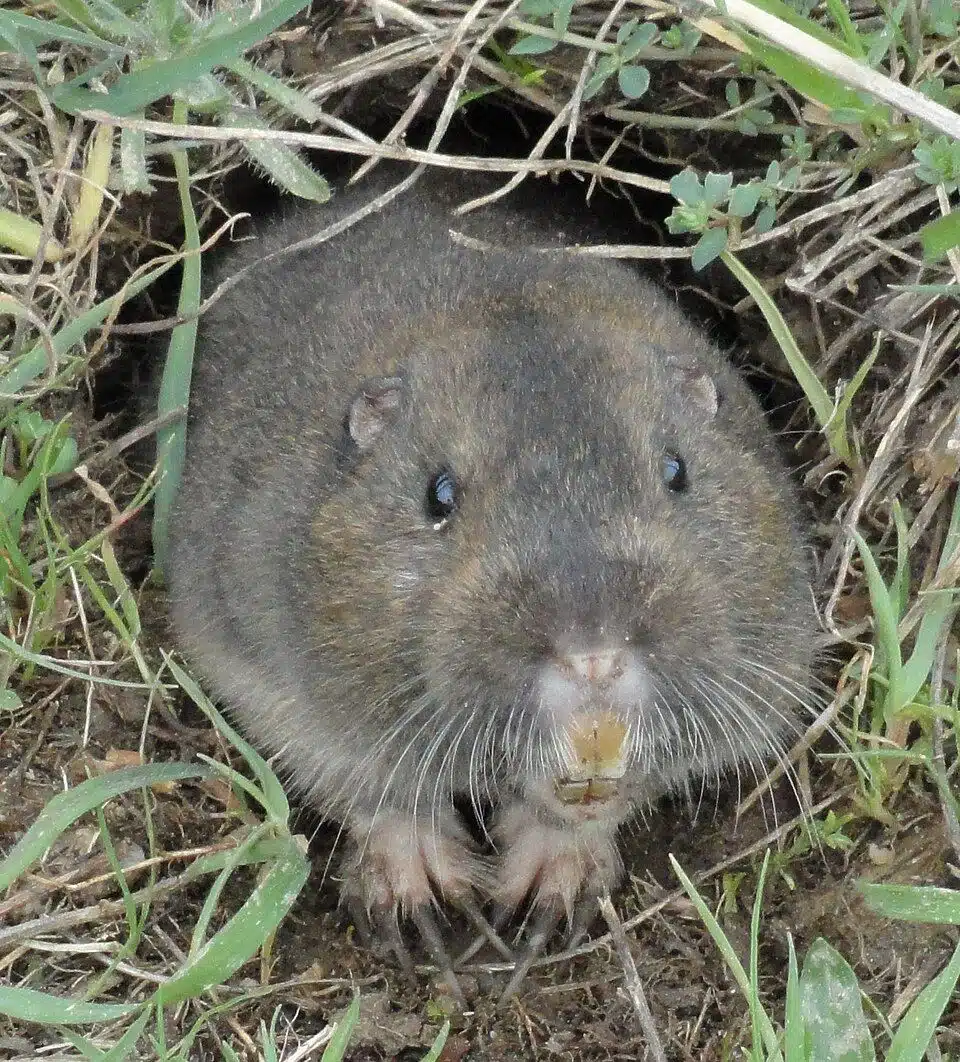
Gophers eat
Roots, bulbs, drip line
Moles eat
Grubs and earthworms
Which animal is it?
Three signs, and the first one settles it on its own.
Gopher
Crescent mound, plugged side hole
Fan or horseshoe shaped, soil pushed out to one side, the opening plugged. Often several in a line following a tunnel. Plants wilting or disappearing entirely is the confirming sign.
Mole
Volcano mound, centre hole
Symmetrical cone with the hole in the middle, plus raised surface ridges where they’ve tunnelled just below the turf. Plants are undamaged — they’re after grubs.
Vole
Surface runways, no mound
Narrow paths at soil level with grass chewed along them, appearing at snowmelt. No excavation. Different animal, different fix.
Confirming
What’s happening to plants
Whole plants pulled down or vanishing means gopher. Turf disturbed but plants healthy means mole. Bark chewed at the base means vole.
Why gophers are worth acting on quickly
Moles are mostly cosmetic and often self-limiting — deal with the grubs and they move on. Gophers are not. A single gopher works a substantial tunnel system, eats roots continuously, and will chew through buried irrigation line and low-voltage cable. In an orchard or a vegetable garden the damage compounds fast.
Why trapping is the method
Baits carry a secondary poisoning risk to whatever eats the animal afterwards, and gas cartridges perform poorly in the loose, well-ventilated soil gophers prefer. Traps set correctly in an active lateral tunnel are the approach with the best record, and they confirm the result — you know when it’s worked, which you never do with bait.
The skill is finding an active tunnel rather than an abandoned one, and setting in the main run rather than the plugged lateral. That’s where most homeowner attempts fail.
Trapping properly
Finding the right tunnel is most of it.
Confirm the mound shape
Crescent with a side plug is gopher. Volcano with a centre hole is mole, and everything below changes.
Find the main tunnel
Probe about a foot out from the plugged side of a fresh mound. The probe drops suddenly when it finds the run.
Open it and set two traps
Facing opposite directions in the main run, so the animal meets one whichever way it comes.
Close the hole to darkness
Cover the opening with soil or board. Light and airflow coming in makes them plug the tunnel rather than pass through.
Check twice daily
For welfare, and because an unchecked trap stops being control.
Move after two days
No result means the tunnel wasn’t active. Find a fresher mound rather than waiting.
Gopher, mole or vole
Where this stops being a DIY job
Tunnelling under a foundation, slab, retaining wall or deck footing. The question stops being about the animal and becomes how much soil has moved from under something bearing load.
Damage to buried irrigation or electrical line. Locating and repairing runs you can’t see is its own job, and digging blind near cable is a poor idea.
Acreage, an orchard, or a persistent population. Trapping a garden is manageable; trapping a field is a programme.
Advertising disclosure: calls are routed to an independent local provider. We’re paid a referral fee for the call. You pay the provider, never us.
What a competent operator does
Identifies
Reads the mound
Gopher or mole before anything else. Getting it wrong wastes the visit.
Locates
Probes for active runs
Fresh tunnels, not abandoned ones. This is the actual skill.
Advises
Raises exclusion
Wire baskets for new plantings, buried mesh for beds. It’s what stops the next one.
Common questions
How do I tell a gopher mound from a mole mound?
Gopher mounds are crescent or fan shaped with the hole plugged off to one side. Mole mounds are symmetrical volcanoes with the hole in the centre.
Do gophers eat grass roots?
Yes — roots, bulbs and tubers, and they’ll chew through buried irrigation line and low-voltage cable. That’s why they’re worth acting on quickly.
What’s the most effective way to get rid of gophers?
Trapping in an active main tunnel. Baits carry secondary poisoning risk and gas performs poorly in the loose soil gophers prefer.
Why aren’t my gopher traps working?
Usually the tunnel wasn’t active, or the trap is in a plugged lateral rather than the main run. Probe out from the side of a fresh mound to find the main tunnel.
Under a structure, or through buried line?
Reading the mound, probing for an active run and setting traps in the main tunnel is genuinely doable and it’s the method with the best record. Tunnelling under a footing, damaged buried services and acreage populations are where this stops.
Call (855)-321-3088