
Lawn Care · Grass Types
Bermuda comes in two kinds: seeded types and sod-only hybrids.
Seeded Bermuda (common Bermuda and improved varieties like Yukon, Riviera and Princess 77) is the inexpensive way to start a lawn. Vegetative hybrids such as Tifway, TifTuf, Celebration and Latitude 36 are sterile, so they only come as sod, sprigs or plugs, but they make a denser, finer lawn. Your climate narrows the list more than anything else.
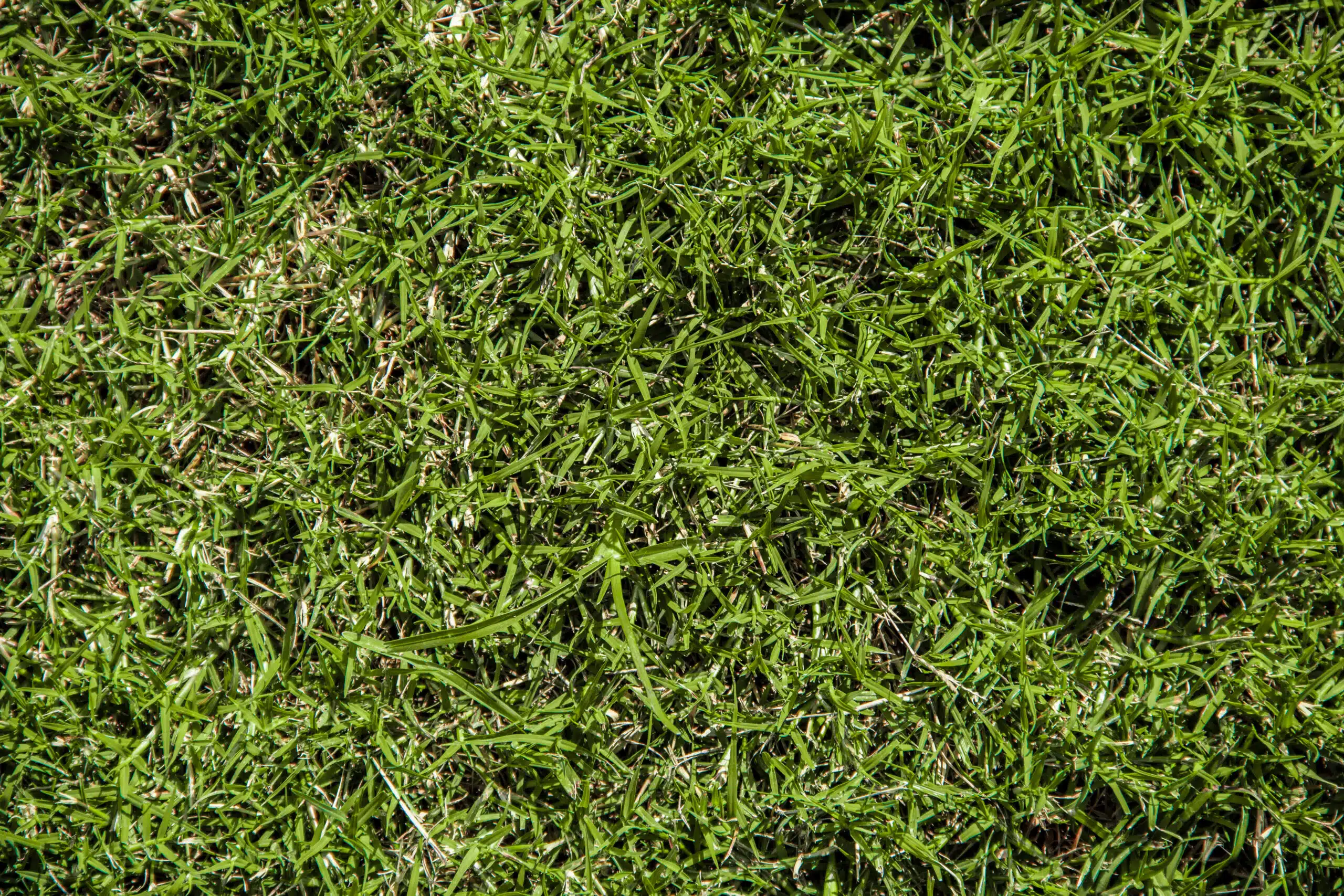
SEED RATE (HULLED)
1–2 lb per 1,000 sq ft
HYBRIDS
Sod, sprigs or plugs only
COLD-HARDY PICKS
Latitude 36, NorthBridge, Tahoma 31, Yukon
LEAST SUN-HUNGRY
TifGrand, Celebration, TifTuf
Seeded vs vegetative Bermuda
The first split is how the grass goes in. Clemson explains that the hybrids produce sterile seed, so they have to be planted as sod, sprigs or plugs. Seeded Bermuda covers common Bermuda and a long list of improved seeded varieties.
- Common Bermuda is looser, wider-leafed, lighter green and less dense than the improved types (Clemson). It’s also inconsistent: Texas A&M notes that DNA testing found several different grasses being sold under the “U-3” common name.
- Improved seeded varieties such as Yukon, Riviera, Princess 77, Monaco and Rio were bred for better density, color or cold hardiness, and cost far less to plant than sod.
- Vegetative hybrids such as Tifway, TifTuf, TifGrand, Celebration, Latitude 36, NorthBridge and Tahoma 31 give the finest, densest lawns; UF notes Tifway, TifGrand and TifSport are common on golf courses and athletic fields. UF/IFAS says seeded types generally perform below vegetative cultivars.
If you buy seed, Clemson notes hulled seed germinates faster but costs more, while unhulled seed holds up better if it’s planted when the weather isn’t yet warm.
Bermuda grass varieties compared
These are the cultivars the Southern extension programs discuss most. Traits are as each program describes them; none of these is a LawnPhix trial.
| Variety | Planted as | Known for | Watch out for |
|---|---|---|---|
| Common (Arizona Common, “U-3”) | Seed | Cheapest and fastest; higher mowing heights | Coarser, lighter, less dense; mixed genetics under one name (Texas A&M) |
| Yukon | Seed | Good cold tolerance; ranked well in national trials (Clemson). Oklahoma State, 2000 (K-State) | Slightly coarser texture (Texas A&M) |
| Riviera | Seed | Winter hardiness, improved spring dead spot resistance, fast from seed (Clemson) | Texas A&M said in 2019 it was being phased out; check availability |
| Monaco, Rio | Seed | Improved cold hardiness; Texas A&M calls Monaco similar in quality to good vegetative types | Seeding rate depends on seed quality and coating (Texas A&M) |
| Princess 77 | Seed | Dense, good color, takes low mowing (Clemson); performed well in Florida (UF) | Higher winter-kill risk in colder areas (Texas A&M) |
| Sahara | Seed | Wear and drought tolerant, low fertilizer need (Clemson) | Higher winter-kill risk in colder areas (Texas A&M) |
| Tifway (419) | Sod or sprigs | Dark green, medium texture, high density; Clemson’s best overall pick for high-quality lawns | Needs high maintenance (UF) |
| TifTuf | Sod or sprigs | Very drought tolerant and holds color later into fall (UF); best at ¾–1 in with a reel mower (NC State) | Maintenance similar to Tifway |
| TifGrand | Sod or sprigs | Needs fewer hours of direct sun than Tifway or TifSport (UF); mow 1–2 in (Clemson) | Still not a shade grass |
| Celebration | Sod or sprigs | Fine texture, good traffic tolerance, slightly more shade tolerant; mow 1–2 in (UF) | Higher winter-kill risk in colder areas (Texas A&M) |
| Latitude 36 | Sod or sprigs | Better cold tolerance and spring dead spot resistance than other Bermudas (UF); Oklahoma State, 2011 | Prone to nematode injury, less aggressive (UF) |
| NorthBridge | Sod or sprigs | Cold tolerant with early spring green-up (UF); Oklahoma State, 2011 | Check local sod availability |
| Tahoma 31 | Sod or sprigs | Improved cold hardiness and drought resistance (Texas A&M); Oklahoma State, 2017 | Check local sod availability |
Which type fits where you live
| Your situation | Look at | Why |
|---|---|---|
| Florida, Gulf Coast, Deep South | Tifway, TifTuf, Celebration, TifGrand; Princess 77 if seeding | Cold hardiness isn’t the limit; UF evaluates these for Florida lawns. |
| Transition zone (Tennessee, Oklahoma, Kansas, Virginia, NC Piedmont) | Latitude 36, NorthBridge, Tahoma 31, Patriot; Yukon, Riviera, Monaco or Rio if seeding | Texas A&M flags these as cold-hardy and lists Celebration, Princess 77 and Sahara as winter-kill risks there. |
| Dry summers, limited irrigation | TifTuf, Tahoma 31 | UF calls TifTuf very drought tolerant; Texas A&M credits Tahoma 31 with improved drought resistance. |
| A few hours of shade | TifGrand, Celebration, TifTuf | UF says these handle slightly more shade. Deeper shade calls for zoysia or St. Augustine. |
| Lowest cost, large area | Seeded common or improved seeded types | Seed costs far less than sod; expect a coarser lawn than a hybrid. |
| Lawn that will be mowed very low with a reel mower | Tifway, TifTuf | NC State says these hybrids do best at ¾–1 inch. |
Planting rates by method
- Seed: 1–2 lb of hulled seed per 1,000 sq ft (UF/IFAS, NC State, UGA). UGA uses 4–8 lb for unhulled seed. Texas A&M gives 1–3 lb depending on cultivar and coating. Our guide to how much grass seed you need shows how to turn a per-1,000 rate into pounds for your yard.
- Sprigs: 5–10 bushels per 1,000 sq ft (UF); NC State uses 3–5 bushels for renovation.
- Plugs: 12–24 inches apart; closer spacing fills in about 3–6 months, wider in 6–9 (UF).
- Timing: late spring into summer. UGA rates May–August best for seeding and sodding; in North Florida UF prefers spring or early summer.
Don’t plant a warm-climate Bermuda in the transition zone.
Planting a cultivar suited to Florida in Tennessee or Oklahoma risks losing the lawn to its first hard winter. Texas A&M specifically lists Celebration, Princess 77 and NuMex Sahara as higher winter-kill risks in colder climates. If you’re north of the Deep South, start with the Oklahoma State cold-hardy line (Latitude 36, NorthBridge, Tahoma 31, Patriot) or a cold-hardy seeded type, and buy sod from a grower who can name the cultivar.
Types of Bermuda grass FAQs
Can you grow Tifway or TifTuf from seed?
No. The vegetative hybrids produce sterile seed, so they’re sold only as sod, sprigs or plugs (Clemson).
What is Tifway 419?
The same grass as Tifway. Texas A&M lists it as Tifway 419, also called Tifton 419. Clemson calls it the best overall choice for high-quality lawns, sports fields and fairways.
Which Bermuda grass is most cold hardy?
The Oklahoma State releases: Latitude 36, NorthBridge, Tahoma 31 and Patriot among the hybrids, and Yukon and Riviera among seeded types, plus the seeded Monaco and Rio (K-State, Texas A&M).
Which Bermuda grass is most drought tolerant?
TifTuf, which UF calls very drought tolerant. Texas A&M also credits Tahoma 31 with improved drought resistance.
Is there a shade-tolerant Bermuda grass?
Not really. TifGrand, Celebration and TifTuf handle a bit more shade than other Bermudas, but Clemson says Bermuda shouldn’t be grown under tree canopies. See grass for shade.
Is seeded Bermuda worse than sod?
Usually it’s coarser and less dense, and UF says seeded types generally perform below vegetative ones. It costs much less, though, and the better seeded varieties come close: Texas A&M rates Monaco near the best vegetative types.
Related guides
Sources: Clemson HGIC 1208: Bermudagrass · UF/IFAS ENH19: Bermudagrass for Florida Lawns · Texas A&M ESC-057: Bermudagrass Selection in the Transition Zone · K-State: Cold-Hardy Bermudagrass Varieties · NC State AG-431: Bermudagrass Lawn Maintenance Calendar · UGA: Bermudagrass Lawn Calendar
