
Lawn Care · Fertilizer
“Winterizer” is a bag label. Late-fall nitrogen is what does the work.
Winterizer fertilizer is the last feeding of the year for cool-season lawns. It goes down after the grass stops growing but while it’s still green and the soil isn’t frozen. Most winterizer bags are high in potassium, but extension research says the nitrogen does the work and potassium only helps if a soil test shows you’re low. In Massachusetts, the legal cutoff is December 1.
WHEN
Top growth stopped, grass still green
MA CUTOFF
No fertilizer Dec 1–Mar 1
SOLUBLE N CAP
≤1 lb N/1,000 sq ft per application
LAWNPHIX RATE
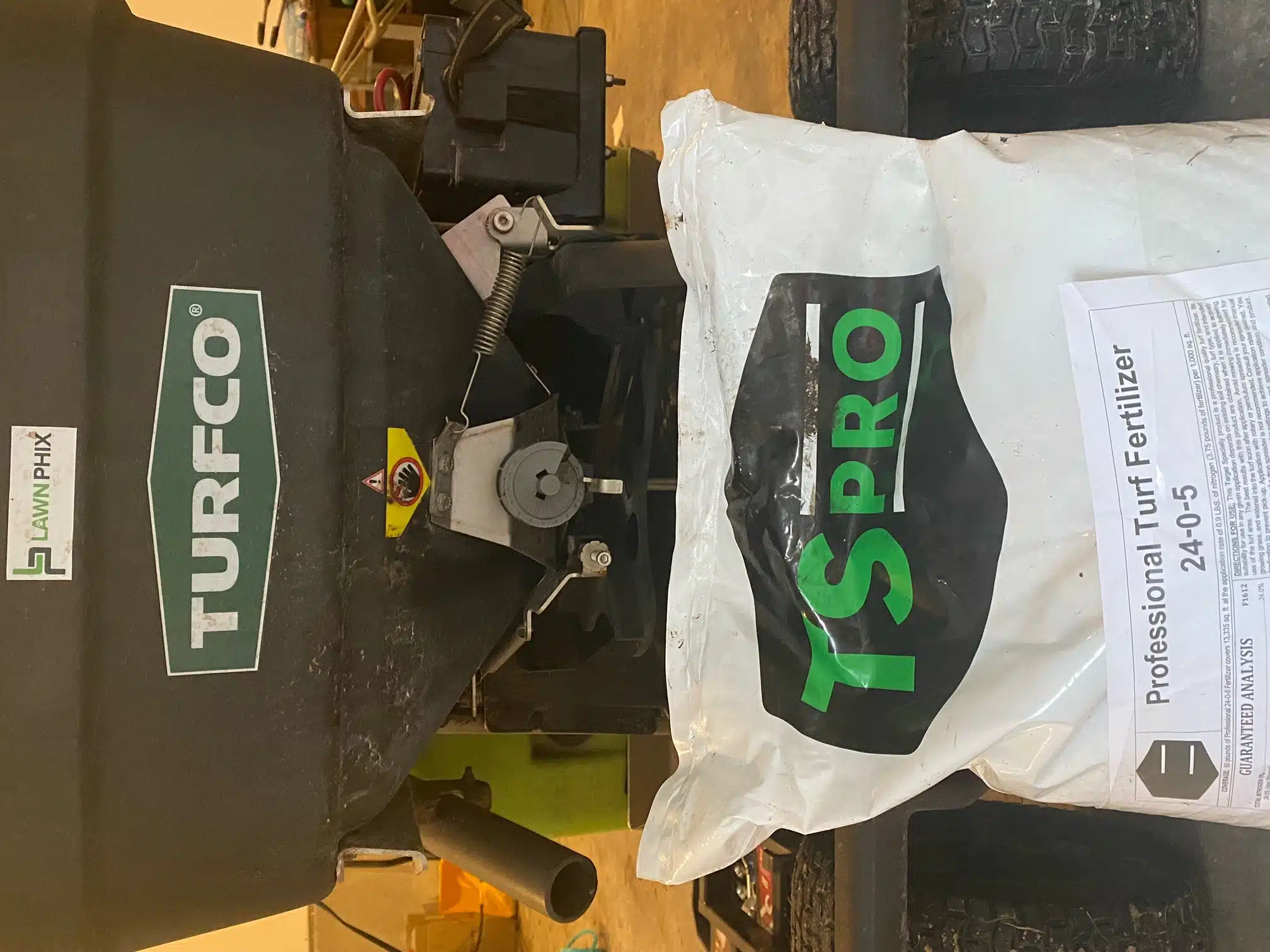
10-0-20 at 4 lb/1,000 sq ft
What a winterizer bag actually is
“Winterizer” isn’t a fertilizer grade with a set formula. It’s the name brands put on a late-season bag, and most of them lean heavily on potassium. Grades LawnPhix has used or mentioned include 10-0-20, 10-0-14 and 18-0-10. The glossary entry on fall fertilization uses 8-0-24 as an example. The pitch is that potassium (the third number, potash) toughens grass for winter. The potash guide explains what that nutrient does.
Extension research supports a narrower claim. Penn State Turfgrass says late-fall phosphorus and potassium can help, but only at rates set by a soil test, and there’s no need to apply them when soil levels are already sufficient. UConn’s soil lab says the potassium in ordinary maintenance fertilizer is enough for good turf unless you have a deficiency. The part of a winterizer that reliably helps is the nitrogen the grass takes up and stores before it goes dormant. That nitrogen is what gives you an earlier spring green-up.
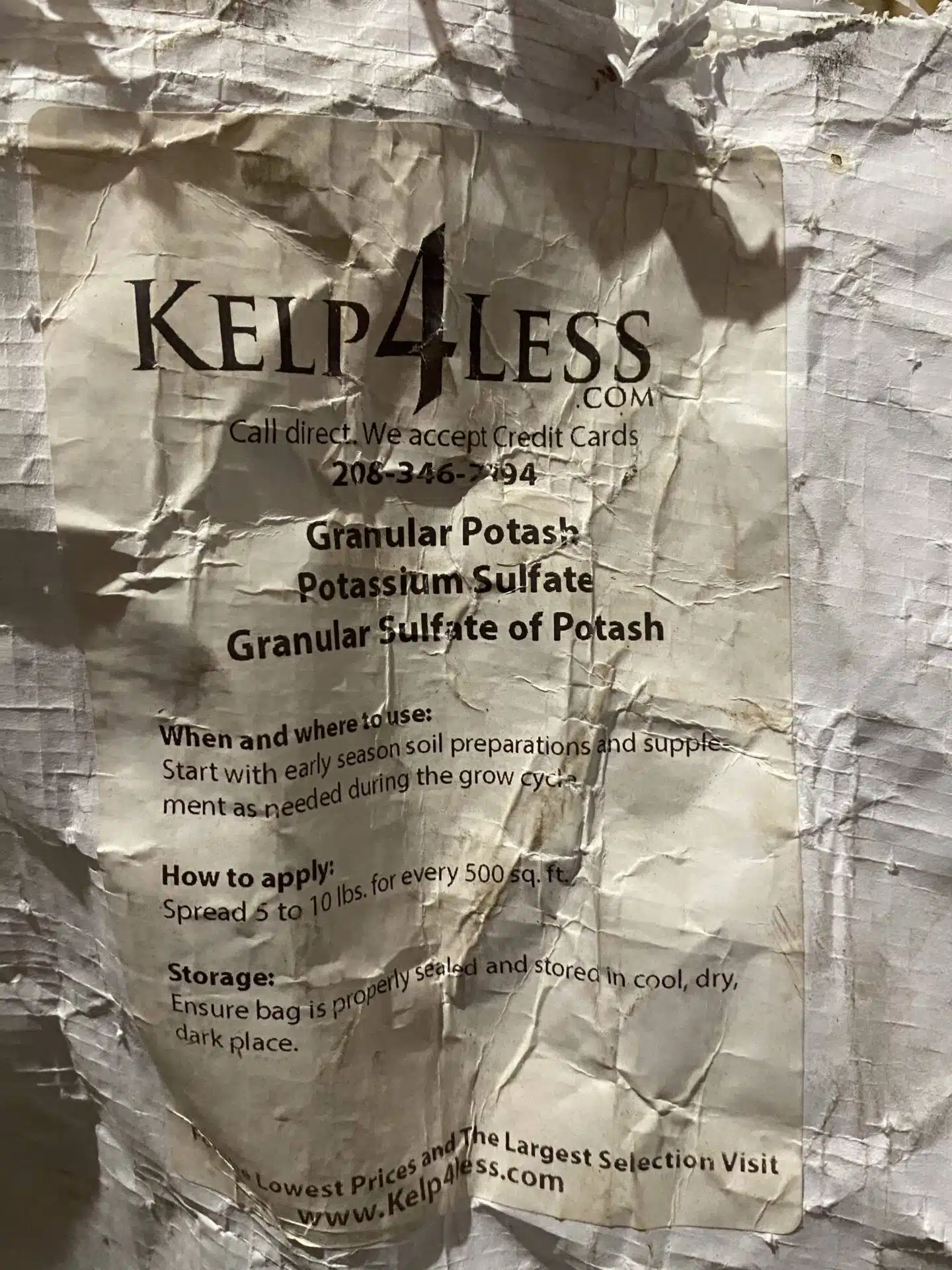
Bottom line: a high-potassium winterizer isn’t wrong, but it’s only worth the extra money if your soil test says potassium is low. Otherwise you’re mostly paying for the nitrogen.
Does a cool-season lawn need a winterizer?
Use this table to decide. It assumes Kentucky bluegrass, tall fescue or ryegrass, the usual New England mix.
| Your situation | What to do |
|---|---|
| Soil test shows potassium is low | A high-K winterizer is a good fit. Straight potash (0-0-50 or 0-0-60) plus a little nitrogen also works. |
| Potassium is fine, or you haven’t tested | Skip the premium bag. Use a plain late-fall nitrogen feeding, and get a soil test before next season. |
| You fed every two weeks through October (nitrogen blitz) | Optional. LawnPhix still puts down a winter app after its blitz, but keep the nitrogen modest. |
| You seeded in September | Your starter fertilizer comes first. A late-fall feeding can follow once the seedlings have been mowed a few times, at the same timing and before the cutoff. |
| Sandy soil, or the lawn runs down to a pond or stream | Go light, use slow-release nitrogen, and respect the water setbacks below. Penn State notes slow-release may be the better choice on sandy soils. |
| Grass is already brown and frozen, or it’s past Nov 30 in MA | Skip it. Frozen ground can’t take it up, and in Massachusetts it’s against the rules. |
When to apply winterizer in New England
Penn State defines the timing well: apply when top growth has stopped or slowed so much that you no longer need to mow, while the grass is still green and before the soil freezes. Treat that as a lawn condition, not a calendar date. In practice it lands around your last mow of the year.
| Source | Late-season timing |
|---|---|
| LawnPhix (Massachusetts lawns) | November, before Thanksgiving, after the October nitrogen blitz. Details in when to apply fall fertilizer. |
| UMass soil lab | Put most lawn fertilizer down in September and November. Never on very wet or frozen soil. |
| Massachusetts 330 CMR 31.05 | No fertilizer December 1 through March 1, and none on frozen, snow-covered or saturated soil. |
| UConn (Connecticut) | More conservative: finish fall feeding by October 15, because after that the grass may not use the nutrients before cold sets in. |
The UConn advice deserves a note. Connecticut’s extension recommends ending fertilizer in mid-October. UMass and Penn State support a later feeding once growth stops. If you’re in Connecticut, follow UConn’s schedule. In Massachusetts, a November winterizer is fine, as long as the ground is open and it’s before December 1.
How much to apply
Start with the bag label and don’t go over it. Then check how much nitrogen you’re actually putting down:
- UConn says never to apply more than 1 lb of water-soluble nitrogen per 1,000 sq ft at one time.
- Penn State’s late-fall range is 1–1.5 lb N per 1,000 sq ft.
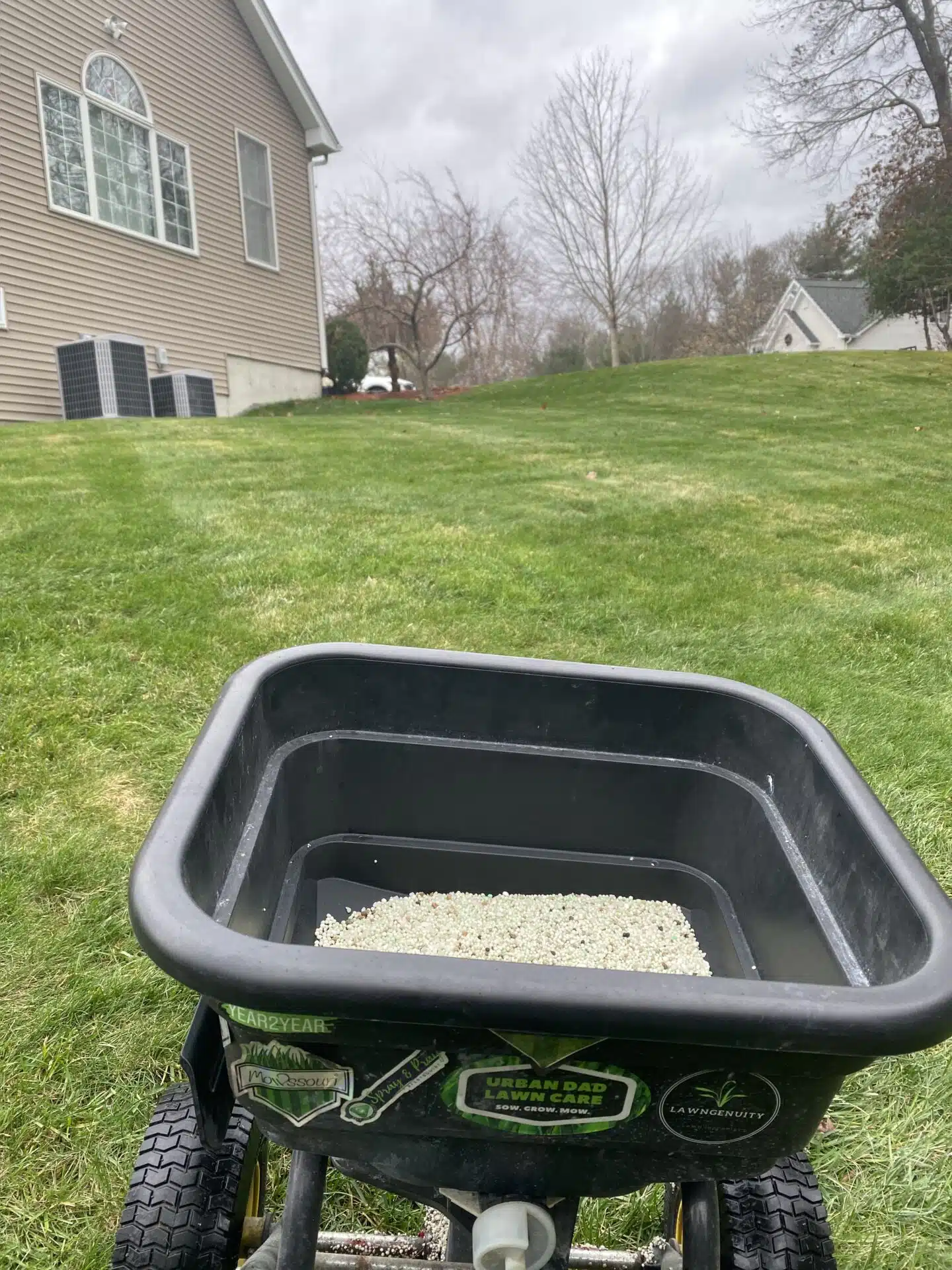
- LawnPhix’s own winter application is 10-0-20 at 4 lb of product per 1,000 sq ft. That works out to 0.4 lb of nitrogen and 0.8 lb of potash, because it comes after a full fall of feeding.
Here’s what common winterizer-style grades deliver. The math is pounds of product × the percentage on the bag. To run the numbers for your own lawn, use the lawn fertilizer calculator.
| Product (N-P-K) | Lb of product per 1,000 sq ft | Nitrogen delivered | Potash (K₂O) delivered |
|---|---|---|---|
| 10-0-20 (LawnPhix winter app) | 4 | 0.4 lb | 0.8 lb |
| 10-0-14 | 5 | 0.5 lb | 0.7 lb |
| 8-0-24 | 6.25 | 0.5 lb | 1.5 lb |
| 46-0-0 urea | 1.1 | 0.5 lb | 0 |
| 0-0-50 sulfate of potash | 2 | 0 | 1.0 lb |
Fast-release nitrogen like urea needs water to move into the soil. LawnPhix’s nitrogen blitz guide covers watering it in and keeping an eye on the forecast. A calibrated spreader matters too. See the best fertilizer spreaders.
Massachusetts rules for late-season fertilizer
Massachusetts regulates homeowner lawn fertilizer under 330 CMR 31.00. The parts that matter for a winterizer:
- Blackout dates: no fertilizer from December 1 through March 1.
- Ground conditions: none on frozen, snow-covered or saturated soil, or soil that floods often.
- Water setbacks: stay 20 feet from surface water with a broadcast application, or 10 feet with a drop or rotary spreader.
- Phosphorus: only if a soil test from the last three years calls for it, or the lawn is newly established. Most winterizers are already 0 in the middle number.
- Hard surfaces: sweep granules off driveways and sidewalks back onto the lawn.
Some towns, especially on Cape Cod (Mashpee’s nitrogen control bylaw is one example), have their own fertilizer rules that can be stricter, so check yours before you spread. In Connecticut, UConn notes that a 2013 law bars phosphorus on established lawns unless a soil test from the past two years calls for it.
Don’t chase the calendar into December.
Bag instructions often say “apply in late fall” with no end date. In Massachusetts, December 1 is a legal stop. Even before then, frozen or snow-covered ground means the fertilizer sits on top until the spring melt carries it toward the nearest storm drain. If you missed the window, save the bag for spring. Your lawn won’t be harmed by skipping one winterizer.
Better alternatives to a winterizer bag
CHEAPEST
Plain late-fall nitrogen
Urea (46-0-0) or a high-N fall blend at the same timing. You get the stored-nitrogen benefit without paying for potash you may not need.
SOIL-TEST LED
Straight potash, only if low
If a soil test flags low potassium, apply potash at the recommended rate. UMass says it can go down any time in the growing season.
FALL PROGRAM
Feed earlier, then stop
A nitrogen blitz from September through October does most of the work. A winterizer becomes optional after that.
NEAR WATER
Skip it or go slow-release
Near ponds, streams or on sandy soil, a slow-release product or no late feeding at all is the safer choice.
For specific bags LawnPhix has tested, including slow-release and potassium options, see the best lawn fertilizers.
Winterizer fertilizer FAQ
Is winterizer the same as fall fertilizer?
Not quite. Fall fertilizer goes down in September and October while the grass is still growing, often with seeding. Winterizer is the final application, made once top growth stops. LawnPhix’s when to apply fall fertilizer guide covers the difference.
Can I put winterizer down on frozen ground?
No. The roots can’t take it up, it can run off with the thaw, and Massachusetts prohibits fertilizer on frozen or snow-covered soil.
Do I need the high-potassium kind?
Only if a soil test says your potassium is low. Penn State and UConn both tie potassium to soil test results. When levels are adequate, the nitrogen in the bag is what helps.
Should warm-season lawns get a winterizer?
This page covers cool-season lawns only. Bermuda and zoysia go dormant on a different schedule, so follow your regional extension service for those.
Do I need to water winterizer in?
If it’s fast-release nitrogen like urea, yes, or time it before a light rain. Avoid application right before heavy rain or onto saturated soil.
Related guides
Sources: Penn State Turfgrass: Late Fall Fertilization of Lawns · UConn Soil Nutrient Analysis Lab: Suggested Fertilizer Practices for Lawns · UConn Home & Garden: Time to Fertilize Your Lawn · UMass Soil and Plant Nutrient Testing Lab: Timing of Lime and Fertilizer Applications · Massachusetts 330 CMR 31.00
